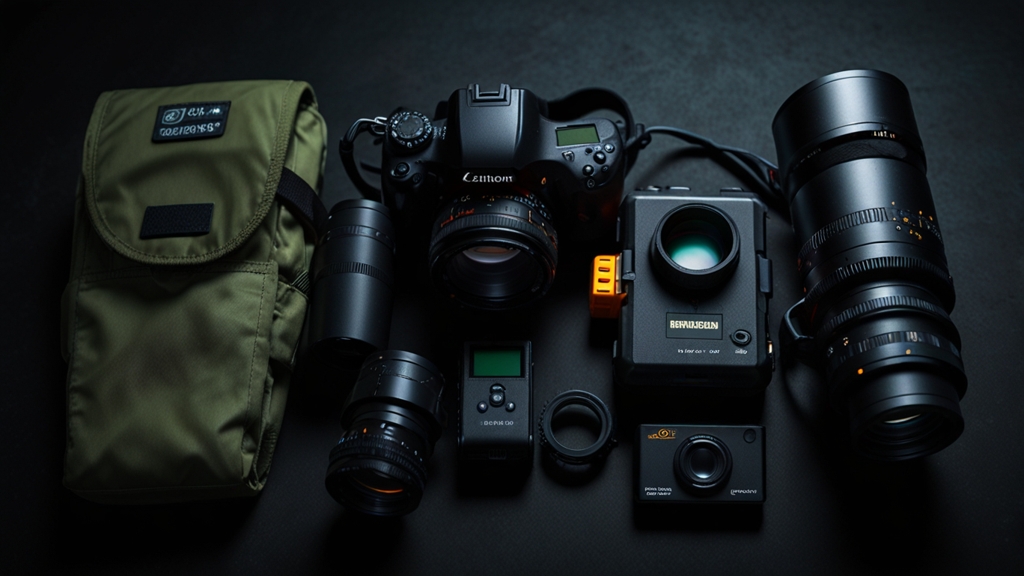
Professional Camera Systems and Optical Equipment for Evidence Collection
Professional surveillance cameras have evolved far beyond basic point-and-shoot devices into sophisticated evidence-gathering systems. We rely on DSLR and mirrorless cameras with telephoto lenses reaching 600mm or more, allowing us to capture clear facial details from distances exceeding 500 feet. These systems deliver the image quality courts require while maintaining the discretion essential for effective surveillance.
Covert camera technology represents the cutting edge of our optical arsenal. Miniaturized cameras concealed in everyday objects like pens, buttons, and eyewear capture high-definition video in situations where traditional equipment would compromise our position. Body-worn cameras provide continuous recording during mobile surveillance operations, creating an unbroken chain of evidence.
Night vision and thermal imaging capabilities extend our surveillance window into complete darkness. Third-generation night vision binoculars amplify available light up to 50,000 times, while thermal cameras detect heat signatures through walls and vegetation. These advanced techniques prove invaluable for monitoring subjects who attempt to evade detection under cover of darkness.
Drone-mounted camera systems revolutionize aerial surveillance by providing perspectives impossible from ground level. Modern surveillance drones carry stabilized 4K cameras with optical zoom capabilities, enabling us to track vehicles across multiple city blocks while maintaining legal flight altitudes. The combination of real-time video transmission and GPS tracking creates comprehensive surveillance coverage that traditional methods cannot match.
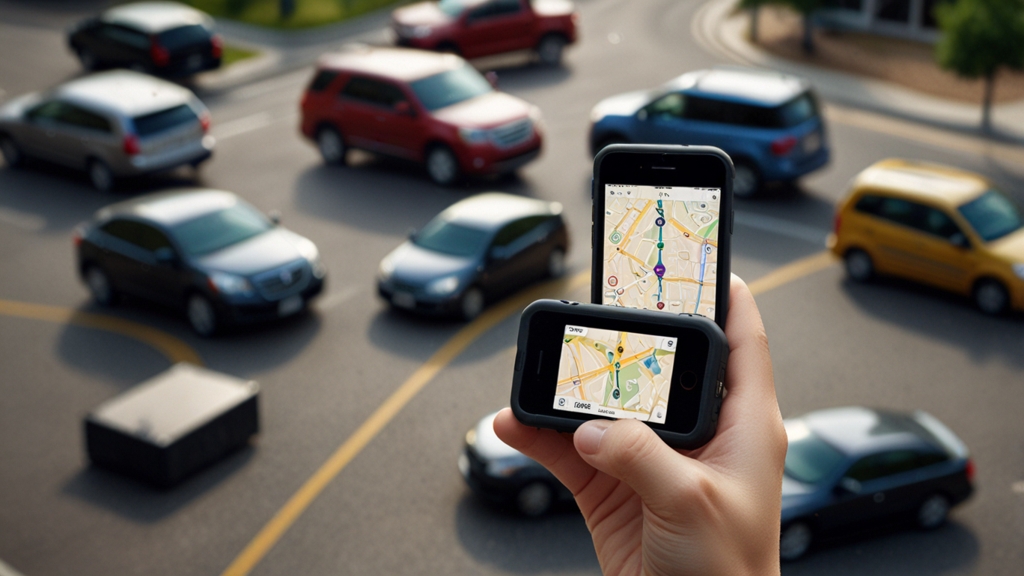
GPS Tracking Devices and Real-Time Location Monitoring Technology
GPS tracking devices have revolutionized how we monitor subject movements in real-time. Modern units offer pinpoint accuracy within three meters, transmitting location data every 15-30 seconds through cellular networks. We rely on magnetic-mount trackers for vehicles and compact battery-powered units for personal belongings or assets.
Real-time monitoring capabilities separate professional-grade devices from consumer options. Advanced systems provide geofencing alerts, speed notifications, and historical route playback through secure web portals. Battery life varies dramatically - vehicle-powered units run indefinitely while portable trackers last 2-4 weeks depending on reporting frequency.
Legal compliance remains paramount when deploying tracking technology. We must obtain proper consent or court authorization before placing devices on vehicles or property. Many jurisdictions require specific licensing for surveillance activities, and unauthorized tracking can result in serious criminal charges.
Cloud-based platforms have transformed data management, allowing multiple investigators to monitor subjects simultaneously from different locations. These systems integrate with mapping software and case management tools, creating comprehensive digital trails. Professional-grade trackers cost $200-800 initially, with monthly service fees ranging $20-50 per device. The investment pays dividends when gathering court-admissible evidence about subject movements and establishing patterns of behavior. Industry experts emphasize choosing devices with encrypted data transmission and tamper-resistant housing for sensitive investigations.
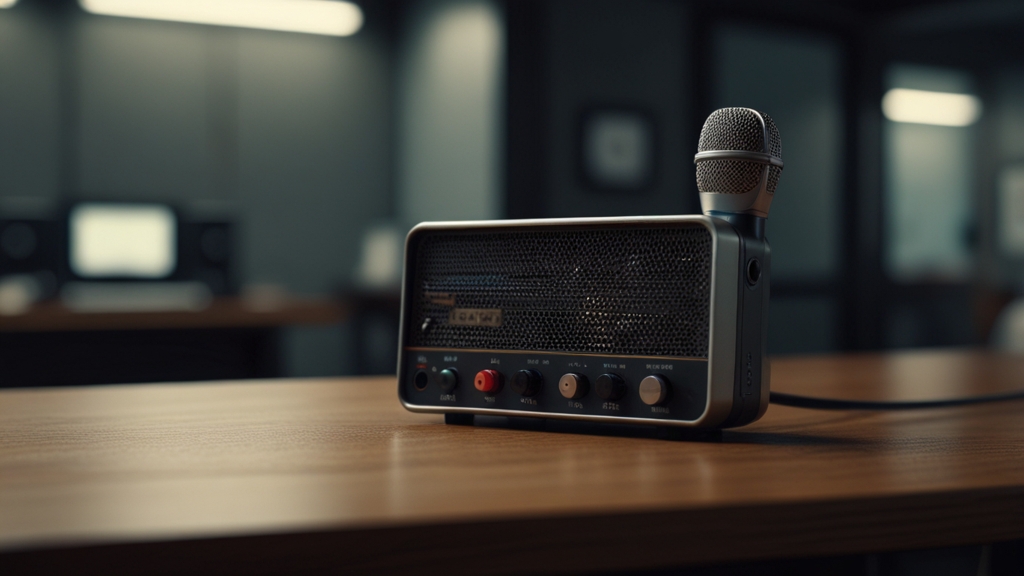
Covert Audio Recording Systems and Miniature Surveillance Microphones
We rely on miniature recording devices that capture crystal-clear audio while remaining completely undetectable. Modern surveillance microphones can be concealed inside everyday objects like pens, buttons, or smartphone cases, with some units as small as a coin yet capable of recording for 8-12 hours continuously.
Digital voice recorders with noise cancellation technology have revolutionized evidence collection in 2026. These devices automatically filter out background noise while amplifying target conversations, even in crowded environments. Professional-grade units offer 32GB storage capacity and can record up to 580 hours of audio evidence.
Wireless transmission capabilities allow real-time monitoring from distances up to 500 feet. We use encrypted frequency-hopping systems that prevent interception while transmitting audio directly to our surveillance vehicles or monitoring stations. Battery life typically ranges 6-10 hours for active transmission modes.
Legal compliance remains critical when deploying audio surveillance equipment. Most jurisdictions require consent from at least one party in the conversation, while others demand full disclosure. We always verify local wiretapping laws before installation, as violations can invalidate evidence and result in serious legal consequences. Professional investigators invest $200-800 per device for court-admissible recording quality, with backup units essential for extended operations.
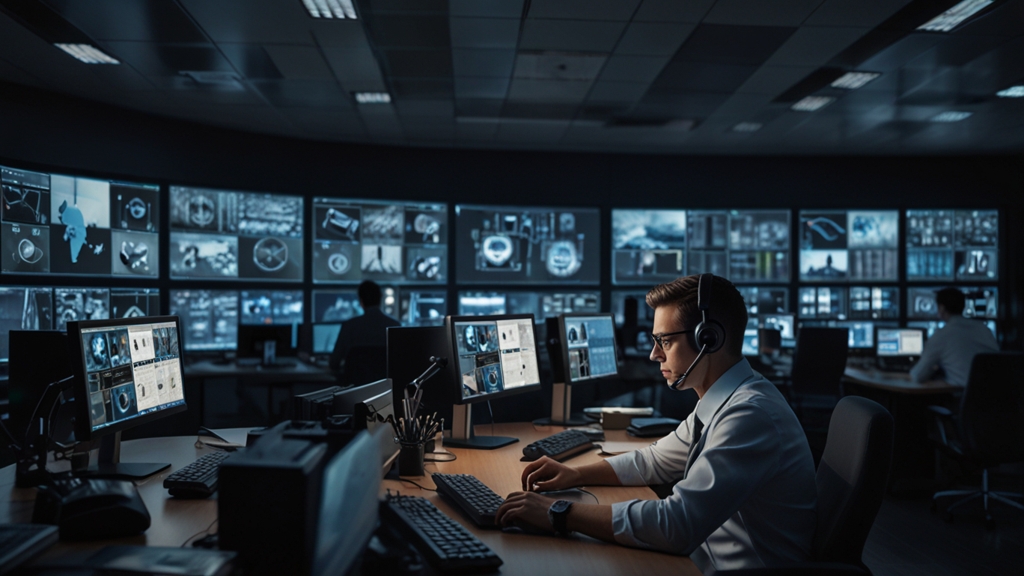
Digital Forensics Tools and Computer Investigation Software
Digital forensics software transforms raw data into court-admissible evidence by recovering deleted files, analyzing internet history, and reconstructing digital timelines. We rely on specialized tools that can penetrate encrypted drives and extract hidden information from smartphones, tablets, and computers that subjects believe they've permanently erased.
EnCase and Cellebrite represent the gold standard in digital investigation platforms. EnCase excels at imaging hard drives and recovering deleted emails, while Cellebrite specializes in mobile device extraction, bypassing lock screens and accessing encrypted messaging apps. These tools can recover text messages deleted months ago and reconstruct entire communication patterns between suspects.
Open-source intelligence (OSINT) tools have revolutionized how we gather digital evidence from public sources. Maltego maps complex relationships between social media accounts, email addresses, and phone numbers, revealing connections that manual investigation would miss. Social media analysis platforms monitor online behavior patterns and can predict future activities based on posting schedules and location data.
Cloud-based forensics platforms now dominate the field because they process massive datasets faster than traditional desktop software. These systems can analyze terabytes of data simultaneously while maintaining chain-of-custody requirements for legal proceedings. Professional investigators typically invest $15,000-25,000 in comprehensive digital forensics suites, though basic mobile extraction tools start around $3,000. The key is choosing software that stays current with evolving encryption methods and new device technologies.
Drone Technology and Aerial Surveillance Capabilities
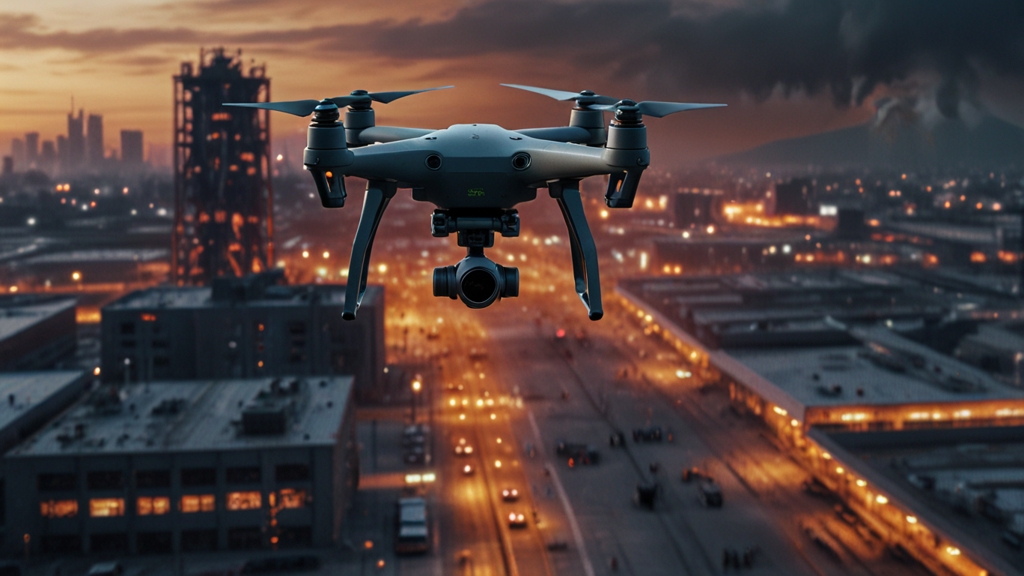
Modern surveillance investigators rely on unmanned aerial vehicles (UAVs) to gather intelligence from previously impossible vantage points. Commercial drones equipped with 4K cameras and thermal imaging sensors provide comprehensive aerial coverage of large properties, industrial sites, and remote locations where traditional ground surveillance would be ineffective or dangerous.
Professional-grade quadcopters like the DJI Mavic series offer extended flight times of 30-45 minutes with ranges exceeding two miles. These platforms carry stabilized gimbals that capture smooth footage even in windy conditions. Thermal imaging capabilities prove invaluable for nighttime operations, detecting heat signatures from vehicles, people, or equipment that would remain invisible to standard cameras.
Advanced drone systems integrate real-time video streaming to ground stations, allowing investigators to monitor situations as they unfold. GPS waypoint programming enables automated flight patterns for systematic area coverage, while obstacle avoidance systems prevent crashes that could compromise investigations. Some units feature zoom lenses with 30x optical magnification, capturing detailed evidence from safe distances.
Legal compliance remains critical when deploying aerial surveillance. Investigators must navigate FAA regulations, obtain necessary flight permissions, and respect privacy laws that vary by jurisdiction. Professional operators typically hold Part 107 commercial drone licenses and maintain comprehensive insurance coverage. Modern surveillance technology continues evolving rapidly, with AI-powered tracking systems and improved battery life extending operational capabilities. Investment costs range from $2,000 for basic setups to $15,000 for enterprise-grade systems with advanced sensors and extended flight capabilities.
Secure Communication Systems and Encrypted Messaging Platforms
Secure communication systems represent the invisible backbone of modern surveillance operations. We rely on encrypted messaging platforms like Signal, Wickr, and ProtonMail to protect sensitive case information from interception. These platforms use end-to-end encryption, ensuring that only intended recipients can access our communications with clients, team members, and sources.
Two-way radio systems with digital encryption capabilities provide instant, secure coordination during active surveillance operations. Modern digital radios offer 256-bit AES encryption and frequency-hopping technology that makes eavesdropping nearly impossible. Popular models like the Motorola APX series allow investigators to communicate across multiple channels while maintaining operational security.
Virtual private networks (VPNs) and secure voice-over-IP systems protect our digital communications from monitoring. We use enterprise-grade VPN solutions that mask our internet traffic and location data when accessing databases or communicating remotely. Professional training emphasizes the importance of layered security protocols to prevent data breaches.
Burner phones and encrypted satellite communication devices provide backup communication channels when cellular networks are compromised or unavailable. These systems prove essential during high-stakes investigations where standard communication methods might expose our operations. The investment in secure communication technology typically ranges from $500 to $5,000 depending on the sophistication level required, but the protection of sensitive case information and client confidentiality makes this expense non-negotiable for professional surveillance teams.
Mobile Command Centers and Surveillance Vehicles
Mobile surveillance vehicles serve as our nerve centers during extended operations, transforming ordinary vans into sophisticated command posts. We typically outfit these vehicles with tinted windows, multiple monitor displays, and advanced recording equipment that can capture footage from multiple angles simultaneously. The interior includes swivel seats, extended battery systems, and climate control for comfort during 8-12 hour stakeouts.
Modern surveillance vans integrate real-time communication hubs with encrypted radios, cellular boosters, and satellite internet connectivity. We install periscope camera systems that extend through the roof, allowing 360-degree observation without exposing our position. Some units feature hydraulic stabilizers to eliminate vehicle movement that could compromise video quality during critical moments.
Specialized modifications include false company logos and magnetic signage to blend into different environments. We've seen investigators use pest control, delivery service, and utility company disguises that provide legitimate reasons for extended parking. Interior storage systems organize equipment efficiently while maintaining quick access to cameras, recording devices, and communication gear.
Investment costs range from $15,000-50,000 for professional conversions, depending on technology complexity. High-end units feature thermal imaging systems, drone launch capabilities, and mobile forensics labs. The key advantage isn't just equipment storage - it's creating a professional workspace that keeps us comfortable, connected, and virtually invisible during long-term surveillance operations that could extend for days or weeks.
Mobile Command Centers and Specialized Surveillance Vehicles
Mobile command centers transform ordinary vehicles into sophisticated surveillance headquarters that operate anywhere your investigation demands. These specialized units feature tinted windows, multiple camera mounting systems, and advanced recording equipment that captures evidence while maintaining complete discretion. Professional investigators rely on these mobile platforms for extended stakeouts and complex multi-target operations.
Modern surveillance vans integrate cutting-edge technology with practical design elements. Interior configurations include swivel-mounted monitor arrays, encrypted communication hubs, and climate control systems for operator comfort during long missions. Power inverters and auxiliary battery systems ensure continuous operation without engine noise that might compromise your position.
Equipment selection varies based on mission requirements and budget constraints. High-end units cost $75,000-150,000 and feature periscope systems, 360-degree camera arrays, and satellite communication capabilities. Budget-conscious investigators often modify existing vehicles with basic tinting, portable recording systems, and essential equipment that delivers professional results at lower costs.
Vehicle selection impacts operational effectiveness significantly. Panel vans offer maximum interior space but may appear conspicuous in residential areas. Minivans and SUVs blend naturally into most environments while providing adequate space for equipment and personnel. Some investigators maintain multiple vehicles to match different surveillance scenarios and geographic locations.
Night Vision Equipment and Low-Light Surveillance Technology
We rely on thermal imaging cameras and infrared technology when surveillance operations extend into darkness or low-light environments. Generation 3 night vision scopes amplify available light up to 50,000 times, allowing clear observation in near-total darkness. These devices cost $3,000-8,000 but prove essential for covert nighttime surveillance operations.
Thermal imaging cameras detect heat signatures rather than visible light, making them invaluable for tracking subjects through fog, smoke, or complete darkness. FLIR thermal cameras can identify human movement from distances exceeding 1,000 meters, even when targets attempt to hide behind vegetation or structures. Battery life typically ranges 4-8 hours for continuous operation.
Digital night vision systems offer advantages over traditional analog models, including video recording capabilities and wireless transmission to command centers. Many investigators prefer monocular designs for mobility, keeping one eye adapted to natural darkness. Infrared illuminators extend range but risk detection by security-conscious targets who use counter-surveillance equipment.
We integrate night vision with other surveillance tools for maximum effectiveness. Pairing thermal scopes with long-range cameras creates comprehensive coverage during extended stakeouts. Weather-resistant housings protect expensive optics during outdoor operations, while quick-mount systems allow rapid deployment when situations change unexpectedly. Professional-grade equipment includes automatic gain control and bright light shut-off features that prevent damage from sudden illumination changes during critical surveillance moments.
Legal Compliance Tools and Evidence Documentation Systems
We rely on comprehensive case management software that maintains detailed audit trails for every piece of evidence collected. Systems like CaseGuard and PI Base automatically timestamp all entries, track chain of custody, and generate court-admissible reports. These platforms ensure our documentation meets legal standards while protecting sensitive client information through encryption.
Digital evidence authentication tools have become essential as courts scrutinize electronic submissions more carefully. We use hash verification software that creates unique digital fingerprints for photos, videos, and audio recordings, proving they haven't been altered. Metadata preservation tools maintain original file information, including GPS coordinates and device details that strengthen evidence credibility.
Consent management systems help us navigate complex privacy laws by maintaining digital records of permissions and releases. These platforms store signed agreements, track expiration dates, and flag when additional consent is required. Many integrate with state-specific legal databases to ensure compliance with local surveillance regulations.
Cloud-based evidence storage solutions provide secure, legally compliant repositories that maintain data integrity for years. Services like Evidence.com offer tamper-proof storage with detailed access logs, automatic backups, and integration with court filing systems. The investment typically ranges from $100-500 monthly depending on storage needs, but the legal protection and streamlined court preparation make it worthwhile for serious investigators.
Frequently Asked Questions
What equipment do surveillance investigators use for covert operations?
We use a comprehensive range of specialized equipment including high-resolution cameras with telephoto lenses, GPS tracking devices, miniature audio recording systems, and night vision technology. Our toolkit also includes digital forensics software, encrypted communication devices, and AI-powered analytics platforms for evidence analysis. Mobile command centers and surveillance drones provide additional operational capabilities for complex investigations.
How much does professional surveillance equipment cost in 2026?
Professional surveillance equipment costs vary significantly based on quality and features, ranging from $500 for basic recording devices to over $50,000 for advanced mobile command systems. High-end camera systems typically cost $2,000-$15,000, while GPS tracking devices range from $100-$1,000 depending on capabilities. We recommend investing in quality equipment as it directly impacts investigation success and evidence admissibility.
What cameras do surveillance investigators use for evidence collection?
We primarily use high-resolution DSLR and mirrorless cameras with telephoto lenses ranging from 200-600mm for long-distance surveillance. Body-worn cameras, hidden pinhole cameras, and vehicle-mounted systems are essential for covert operations. Many of our camera systems now feature AI-enhanced image stabilization and low-light capabilities that significantly improve evidence quality in challenging conditions.
Are GPS tracking devices legal for surveillance investigators to use?
GPS tracking device legality depends on jurisdiction and specific circumstances, but licensed investigators can typically use them with proper authorization or consent. We always ensure compliance with local privacy laws and obtain necessary court orders when required. Our legal compliance tools help document proper authorization and maintain chain of custody for all tracking evidence collected during investigations.
What digital forensics tools do surveillance investigators need?
We use specialized software like EnCase, Cellebrite, and FTK for mobile device analysis, computer forensics, and data recovery. These tools help us extract deleted files, analyze communication patterns, and recover digital evidence from various devices. Cloud-based forensics platforms and AI-powered data analysis tools have become increasingly important for processing large volumes of digital evidence efficiently.
How do surveillance investigators use drone technology?
We deploy drones equipped with high-resolution cameras and thermal imaging for aerial surveillance, property monitoring, and evidence collection in hard-to-reach areas. Modern surveillance drones offer extended flight times, GPS tracking, and real-time video transmission to our command centers. All drone operations must comply with FAA regulations and local airspace restrictions while maintaining operational security.
What communication equipment do surveillance investigators use to stay secure?
We rely on encrypted radio systems, secure messaging platforms, and VPN-protected mobile devices to maintain operational security during investigations. Our communication systems include encrypted smartphones, two-way radios with frequency hopping, and satellite communication devices for remote operations. These tools ensure that sensitive investigation details remain confidential and protected from interception.