

Essential Services Offered by Chicago Private Investigators
When you're facing a challenging situation that requires professional investigation, Chicago's private investigators offer a comprehensive range of services designed to uncover the truth. Surveillance and infidelity investigations remain among the most requested services, where skilled investigators use video surveillance, electronic forensics, and undercover operations to gather evidence. Many clients discover that their suspicions are confirmed through these meticulous investigations.
Corporate investigations form another crucial service category, helping businesses protect their interests from fraud, employee misconduct, and theft. You can expect investigators to handle worker's compensation claims, personal injury cases, and even corporate espionage matters. These professionals also provide business intelligence and competitive analysis to support strategic decision-making.
Background checks and locate services prove invaluable for both personal and professional situations. Whether you need thorough screening for employment, tenancy verification, or personal relationship due diligence, investigators access specialized databases and employ advanced techniques to provide comprehensive reports. They excel at locating missing persons, witnesses, and individuals who've become difficult to find.
Legal support services bridge the gap between investigation and litigation, with investigators collaborating closely with attorneys to gather evidence, interview witnesses, and serve legal documents. Additional specialized services include Technical Surveillance Counter Measures (TSCM) for detecting electronic eavesdropping, asset searches for legal proceedings, and child custody investigations. When you're ready to hire a professional, understanding these service categories helps you identify the right expertise for your specific situation.

Illinois Licensing Requirements and Verification Process
Before you hire any private investigator in Chicago, you must verify their Illinois state license through the Department of Financial and Professional Regulation (IDFPR). Every legitimate PI operating in Illinois needs a valid Private Detective License, which requires passing a comprehensive exam, background check, and meeting specific experience requirements.
You can verify a PI's license status online through the IDFPR website by searching their name or license number. The database shows current license status, expiration dates, and any disciplinary actions. Red flags include expired licenses, multiple complaints, or investigators who can't provide their license number immediately when asked.
Illinois requires private investigators to complete continuing education and renew their licenses every two years. Professional training standards ensure investigators stay current with legal requirements and investigative techniques. Most reputable Chicago PIs also carry professional liability insurance and bonding for client protection.
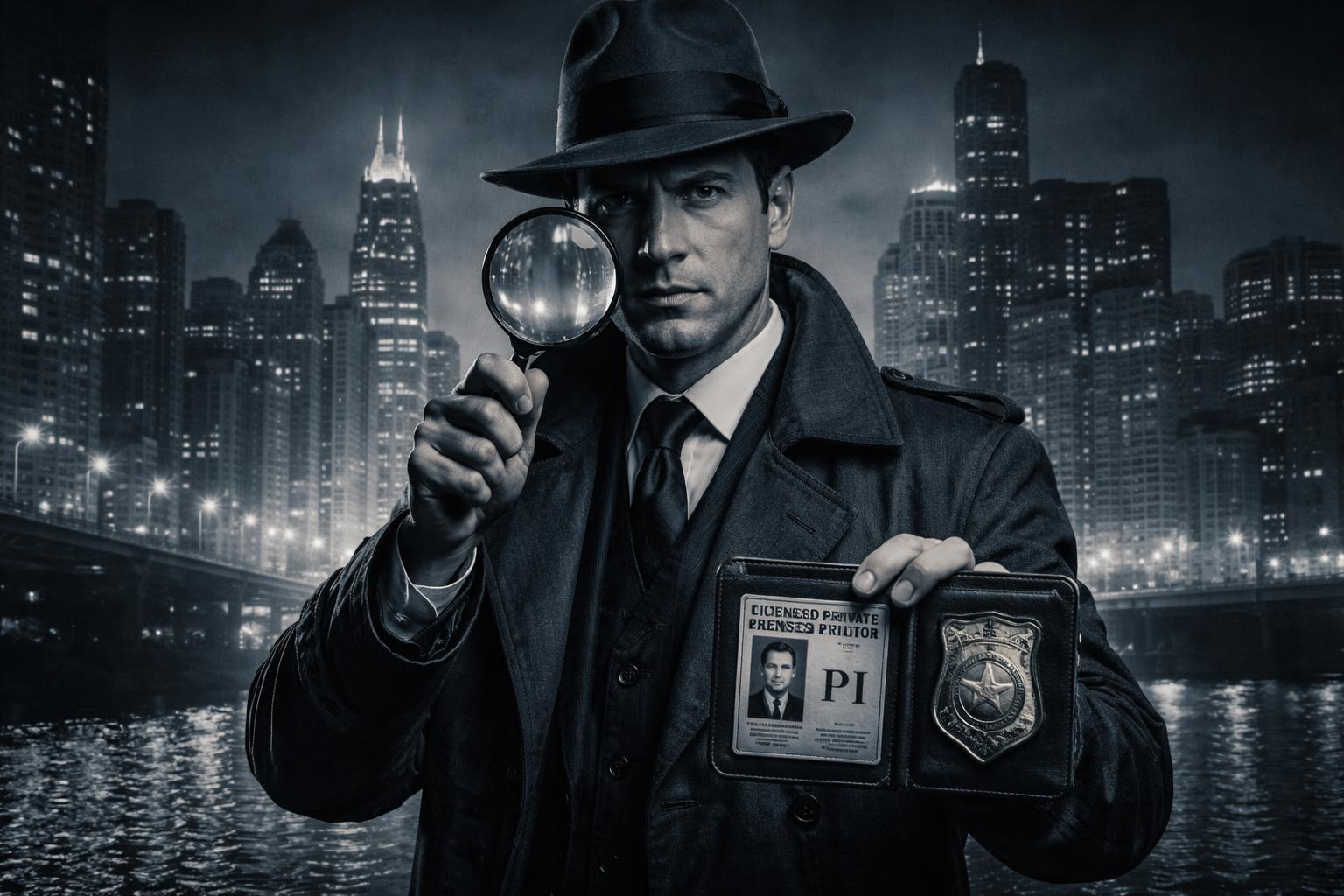
When you're evaluating potential investigators, ask to see their physical license and verify it matches the online database. Legitimate professionals welcome this verification process and often display their credentials prominently. Be wary of anyone who operates under a law firm's license without proper individual certification, as this can limit their investigative scope. Taking five minutes to verify credentials protects you from unlicensed operators who could compromise your case or expose you to legal liability.
Cost Breakdown and Pricing Models for PI Services
Understanding private investigator pricing helps you budget effectively and avoid unexpected costs. Most Chicago PIs use three primary billing models: hourly rates, flat fees, and retainer agreements. Hourly rates typically range from $75 to $250, depending on the investigator's experience and case complexity.
Surveillance investigations usually cost $100-150 per hour, while specialized services like digital forensics or corporate investigations command higher rates of $150-250 per hour. Simple background checks often use flat-fee pricing, ranging from $300 to $1,000 depending on the depth of research required.
Many firms require an upfront retainer, typically covering 10-20 hours of work. This protects both you and the investigator, ensuring commitment while providing a clear starting budget. Additional expenses like mileage, court filing fees, or specialized equipment rentals are usually billed separately at cost.
When comparing quotes, ask for detailed breakdowns including all potential additional costs. A reputable investigator will provide transparent pricing and explain exactly what services your retainer covers. Some cases, like locating missing persons, may qualify for success-based fee structures where you pay a premium only if the investigation achieves specific results. According to industry standards, legitimate professionals always provide written contracts outlining all fees, expenses, and payment terms before beginning any investigative work.

Vetting Credentials and Experience of Chicago Investigators
Your investigation's success depends heavily on selecting a private investigator with proven credentials and relevant experience. Start by verifying their Illinois state license through the Department of Financial and Professional Regulation's online database. This confirms they've met basic legal requirements, but you'll need to dig deeper to assess their actual capabilities.
Experience matters more than credentials alone when evaluating potential investigators. Ask about their background in law enforcement, military service, or corporate security - many successful PIs transition from these fields. More importantly, inquire about their specific experience with cases similar to yours. An investigator who specializes in insurance fraud may not be your best choice for a child custody matter, even if they're highly qualified.
Request references from recent clients and follow up with phone calls when possible. Professional investigators understand confidentiality constraints but can often provide general feedback about their working relationship. Additionally, check their standing with professional organizations like the Illinois Association of Licensed Investigators, which maintains ethical standards beyond state requirements.
Technology proficiency separates modern investigators from outdated practitioners. Your chosen PI should demonstrate familiarity with digital forensics, database research, and current surveillance equipment. They should also understand legal boundaries governing their work and clearly explain what methods they'll use. Be wary of investigators who make unrealistic promises or suggest questionable tactics. Remember to ask essential questions about their approach, timeline, and reporting methods before making your final decision.

Legal Boundaries and Compliance Standards in Illinois
Illinois private investigators operate within strict legal frameworks that protect both clients and the public. You cannot expect investigators to access private communications, hack into accounts, or obtain information through illegal surveillance methods. State regulations explicitly prohibit activities like wiretapping without court orders, entering private property without permission, or impersonating law enforcement officers.
Your hired investigator must follow specific protocols when gathering evidence. They can conduct surveillance from public areas, access publicly available records, and interview willing witnesses. However, they cannot trespass on private property, use GPS tracking devices on vehicles they don't own, or photograph individuals in locations where privacy is expected, such as inside homes or medical facilities.
Illinois law requires investigators to maintain detailed records of their activities and ensure all evidence collection methods comply with admissibility standards. You should verify that your investigator understands these limitations upfront. For example, they can photograph someone in a public park but cannot use telephoto lenses to capture images through bedroom windows.
Professional investigators also must respect federal laws governing interstate cases and digital privacy. They cannot access social media accounts without authorization, retrieve deleted communications, or obtain financial records without proper legal channels. Understanding these boundaries helps you set realistic expectations and ensures any evidence gathered will be legally admissible if needed for court proceedings.
Technology and Modern Investigation Techniques Used
Today's Chicago private investigators leverage cutting-edge technology that transforms how investigations unfold. You'll find that modern PIs use advanced surveillance equipment including high-resolution cameras with night vision capabilities, GPS tracking devices, and sophisticated audio recording systems that capture crystal-clear evidence from considerable distances.
Digital forensics has revolutionized investigative work, allowing professionals to recover deleted emails, text messages, and social media communications from smartphones and computers. Chicago investigators utilize specialized software to analyze digital footprints, trace online activities, and uncover hidden digital evidence that traditional methods would miss completely.
Database access gives investigators unprecedented research capabilities. Professional PIs subscribe to comprehensive databases containing public records, property ownership information, employment histories, and financial data. These tools enable investigators to compile detailed background profiles and locate individuals within hours rather than weeks.
Technical Surveillance Counter Measures (TSCM) equipment helps detect electronic eavesdropping devices in homes and offices. Modern investigators use spectrum analyzers, non-linear junction detectors, and thermal imaging cameras to identify hidden surveillance equipment. When you're concerned about privacy breaches, these investigation costs reflect the sophisticated technology required for comprehensive electronic sweeps that protect your confidential information from unauthorized monitoring.