
How Do Attorneys And PIs Work Together?
Legal professionals and private investigators collaborate through structured partnerships where PIs handle evidence collection, witness location, and surveillance while attorneys focus on legal strategy, with the $28.2 billion PI industry growing at 4.5% annually to support this essential relationship.
Evidence Collection and Documentation Strategies
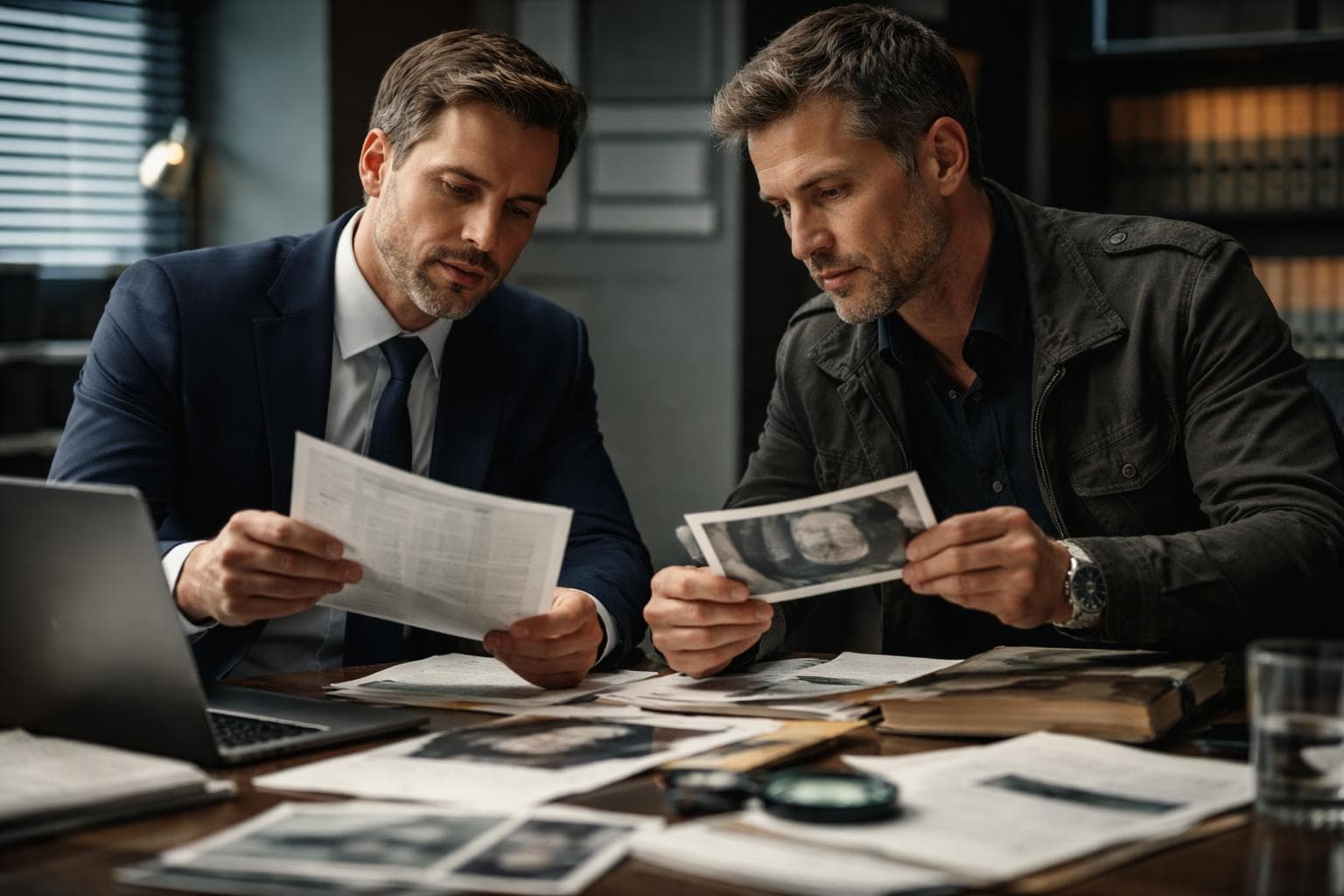
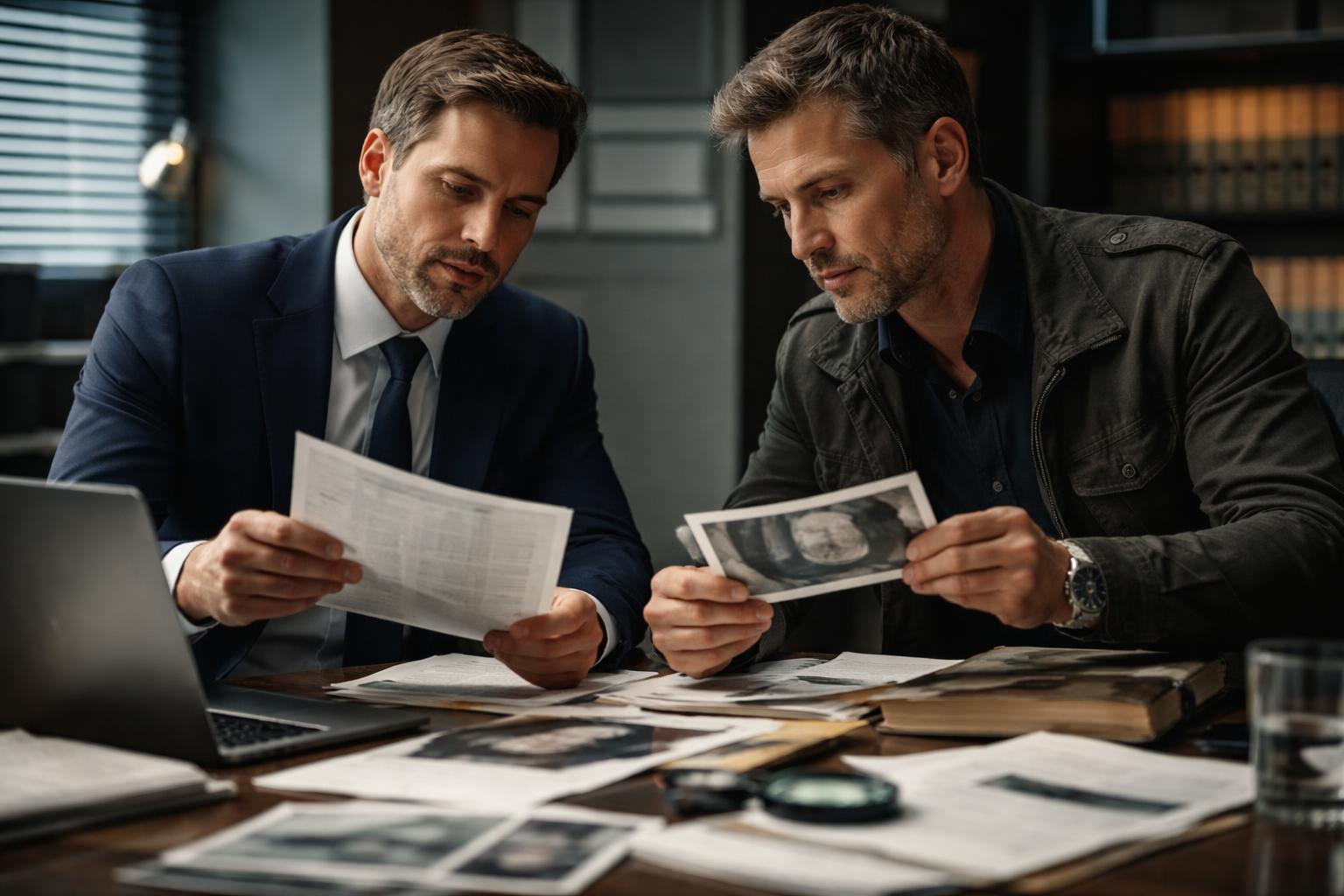
Successful legal cases depend on evidence that holds up under scrutiny, which is why attorneys rely on professional investigators to gather and document critical information properly. Private investigators use specialized techniques to collect evidence ranging from surveillance footage to financial records, ensuring every piece meets legal admissibility standards. They photograph accident scenes, document witness statements, and preserve digital evidence before it can be altered or deleted.
Understanding how attorneys and PIs work together reveals a systematic approach to evidence handling. Investigators maintain detailed chain-of-custody logs, timestamp all findings, and use calibrated equipment to ensure accuracy. For instance, in a personal injury case, a PI might document the plaintiff's activities over several weeks, creating video evidence that contradicts claimed disabilities. This documentation includes metadata, location stamps, and witness corroboration to prevent challenges in court.
The documentation process extends beyond simple collection. Legal investigators prepare comprehensive reports that attorneys can present to opposing counsel or submit as exhibits. These reports detail investigative methods, findings, and supporting materials in formats courts accept. Digital forensics specialists recover deleted emails or text messages, creating certified copies with authentication protocols that satisfy evidentiary requirements.
Professional investigators also understand what evidence won't survive legal scrutiny. They avoid trespassing, illegal surveillance, or privacy violations that could invalidate crucial findings. This expertise in evidence collection and documentation strategies saves attorneys from presenting materials that judges might exclude, protecting the entire case from procedural challenges. The collaboration ensures every piece of evidence strengthens the legal argument rather than creating vulnerabilities opposing counsel can exploit.

Witness Location and Interview Coordination
Locating witnesses who have moved, changed names, or deliberately disappeared requires specialized investigative techniques that most law firms simply don't have in-house. Professional investigators use proprietary databases, skip-tracing methods, and field interviews to track down individuals who may hold crucial testimony. In personal injury cases, for example, eyewitnesses often relocate before trial dates, making their testimony seem lost—until a skilled PI applies systematic search protocols to find them.
Once located, witnesses need careful preliminary interviews to assess their potential value to the case. Investigators conduct these initial conversations to determine what the witness actually observed, their willingness to testify, and whether their account strengthens or complicates the legal strategy. This screening process saves attorneys significant time by filtering out unreliable or irrelevant witnesses before depositions begin. Professional investigators understand the legal boundaries of witness contact and maintain detailed documentation of every interaction.
The coordination between attorney and PI becomes especially critical when dealing with hostile or reluctant witnesses. Investigators often serve as neutral intermediaries who can establish rapport without the formal pressure of legal representation. They document witness statements, body language, and environmental factors that might affect testimony credibility. Understanding legal limitations ensures all witness interactions remain admissible in court proceedings.
This collaborative approach to witness management directly addresses how do attorneys and PIs work together in building comprehensive case strategies. The investigator's field expertise combined with the attorney's legal knowledge creates a systematic process for securing testimony that might otherwise remain undiscovered or underutilized throughout litigation.

Digital Forensics and Technology Integration
Modern legal cases increasingly depend on electronic evidence, making digital forensics a cornerstone of how professional investigators support attorneys in building strong cases. Private investigators trained in digital forensics can recover deleted emails, extract metadata from documents, and analyze social media activity to establish timelines or verify alibis. These specialists use advanced software tools to create forensically sound copies of devices, ensuring that evidence remains admissible in court proceedings.
Attorneys rely on investigators who understand both the technical and legal aspects of digital evidence collection. A skilled investigator knows how to preserve chain of custody, document every step of the extraction process, and present findings in ways that judges and juries can understand. For instance, in corporate litigation cases, investigators might analyze email servers to uncover evidence of fraud or trace deleted files that reveal hidden financial transactions.
The integration of technology extends beyond forensics into everyday investigative work. GPS tracking devices, database searches, and surveillance equipment have transformed how investigators gather information for legal teams. When you work with experienced investigators, they utilize proprietary databases that access public records, property ownership data, and professional licensing information that attorneys might not easily obtain on their own.
This technological expertise gives legal teams a significant advantage, as research shows that cases supported by comprehensive digital evidence often achieve better outcomes. Investigators stay current with evolving technology, from cryptocurrency tracing to cloud storage analysis, ensuring attorneys have access to every piece of relevant electronic evidence that could strengthen their client's position in 2026's increasingly digital legal landscape.

Communication Protocols and Ethical Boundaries
Effective partnerships between legal teams and investigation professionals depend on structured communication channels and strict adherence to professional boundaries. Investigators typically report findings through secure, documented methods—encrypted emails, client portals, or scheduled briefings—ensuring sensitive case information remains protected. Regular status updates keep legal teams informed without overwhelming them with procedural details, while urgent discoveries trigger immediate notification protocols.
Attorney-client privilege extends to investigation work when investigators operate under legal counsel's direction, but this protection requires careful documentation. Professionals maintain detailed records of communications, instructions received, and information gathered to preserve these protections. Understanding legal boundaries prevents inadvertent privilege violations that could compromise entire cases.
Ethical constraints guide every aspect of how attorneys and PIs work together, from evidence collection methods to witness interactions. Investigators cannot misrepresent their identity to gain access, trespass on private property, or use illegal surveillance techniques—regardless of case importance. They must also recognize when they're approaching legal advice territory, immediately redirecting such questions to the attorney. This clear delineation protects both the investigation's integrity and the client's interests.
Confidentiality agreements formalize these boundaries, specifying what information investigators can access, how they'll store sensitive materials, and when they must cease work. Many professionals also establish protocols for handling conflicts of interest, ensuring they don't accept assignments that could compromise ongoing cases. These frameworks create trust while protecting everyone involved from potential legal complications that could undermine months of investigative work.