
How to Choose The Right Private Investigator in 2026
Selecting the right private investigator requires verifying state licensing, confirming relevant case experience, and understanding fee structures that typically range from $50-$150 per hour. You should interview multiple candidates and check references before signing any service agreement to ensure they specialize in your specific type of investigation.
Defining Your Investigation Needs and Specialization Requirements
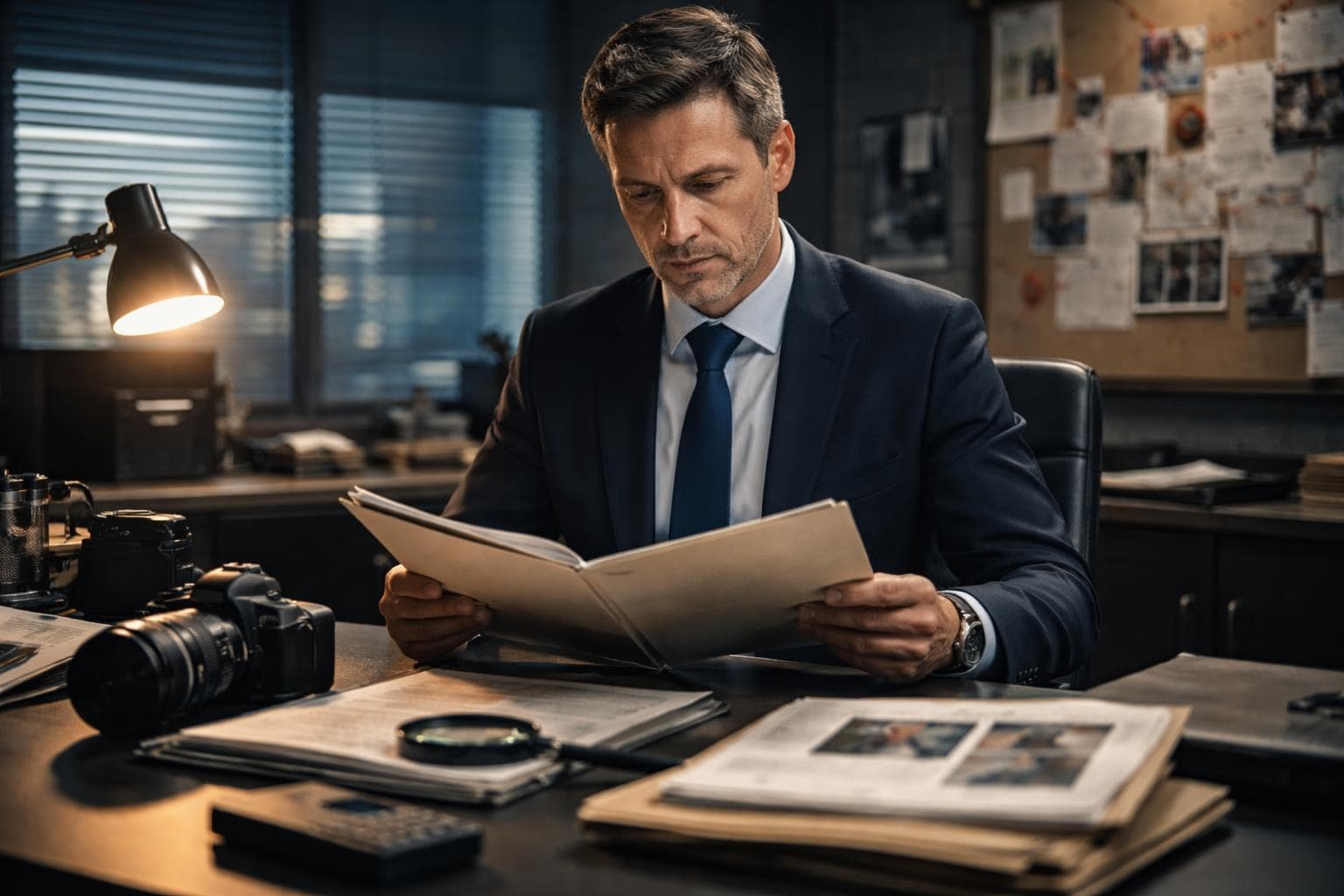
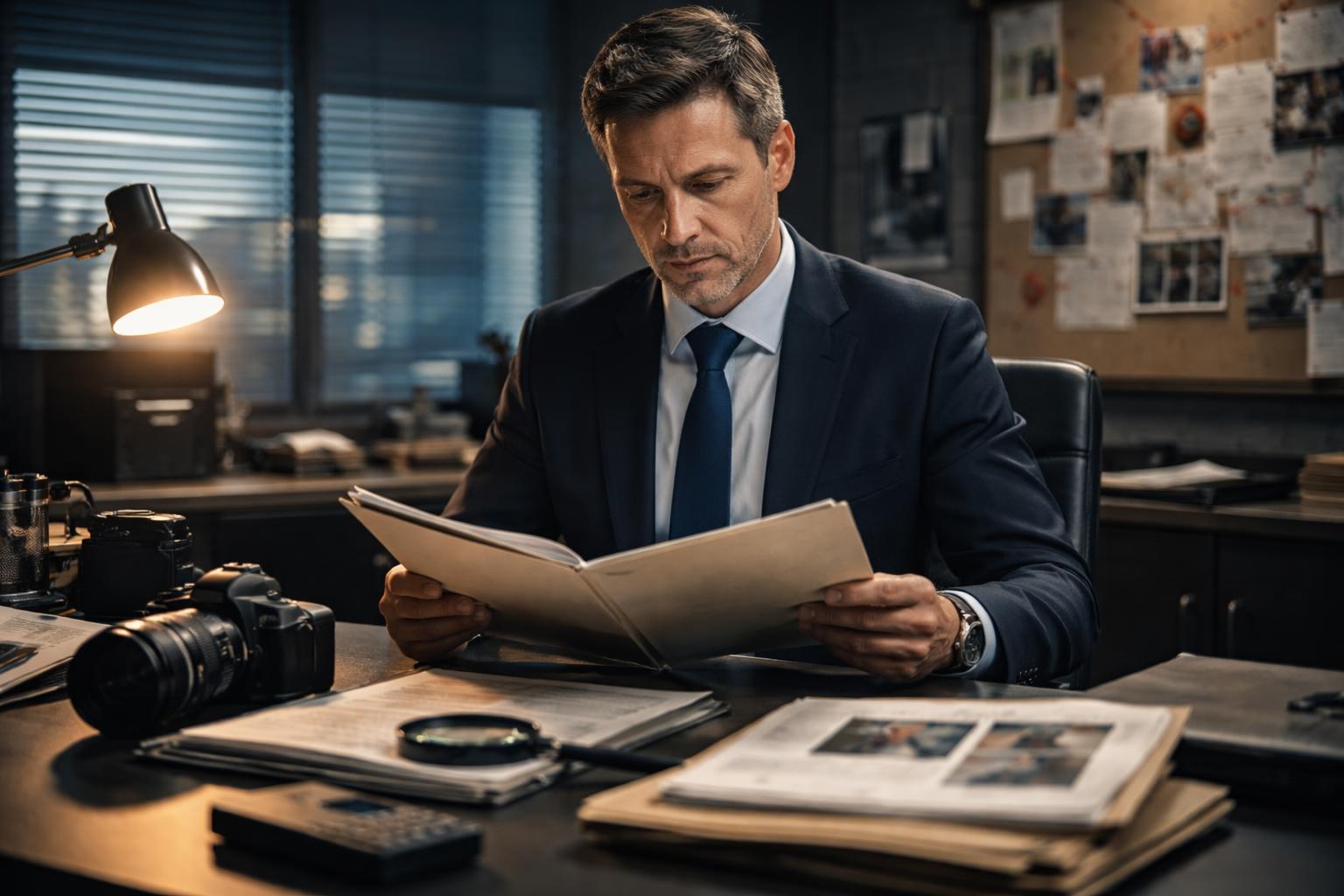
Your investigation success starts with clarity about what you actually need. Before reaching out to any professional, take time to document the specific situation you're facing. Are you dealing with a suspected cheating spouse, need background verification for a business partner, or trying to locate a missing person? Each scenario requires different skills and approaches from investigators.
Private investigators specialize in distinct areas, much like doctors focus on specific medical fields. Surveillance experts excel at monitoring activities and gathering photographic evidence, while digital forensics specialists recover deleted emails and trace online activity. Corporate investigators handle employee misconduct and intellectual property theft, whereas skip tracers focus exclusively on finding people who don't want to be found. Understanding these distinctions helps you learn essential questions to narrow your search effectively.
Write down the facts of your case before making calls. What evidence do you already have? What specific questions need answers? How quickly do you need results? This preparation helps when you're ready to choose the right private investigator, as professionals can immediately assess whether they're suited for your situation. An investigator who primarily handles insurance fraud won't be your best choice for a child custody case, even if they're licensed and experienced.
Consider your timeline and budget constraints as part of defining your needs. Complex investigations involving multiple states or international elements require more resources than local surveillance work. According to industry experts, cases with clear objectives and realistic expectations produce better outcomes than vague requests for "finding out everything" about someone. The more specific you can be about your investigation needs and desired outcomes, the easier it becomes to find specialized San Antonio private investigators who match your requirements perfectly.

Verifying Licensing Credentials and Professional Certifications
Professional licensing requirements vary significantly by state, so your first step involves confirming what credentials are legally required where you need services. More than 40 states and the District of Columbia mandate licensing for investigators, though states like Alaska, Idaho, and Wyoming have no state-level requirements. You can verify an investigator's license status through your state's licensing board website or by requesting their license number directly.
Beyond basic licensing, professional certifications demonstrate specialized expertise and commitment to industry standards. Organizations like the National Association of Legal Investigators (NALI) and ASIS International offer certifications that require ongoing education and adherence to ethical codes. When you hire a private investigator, ask about their certifications and what continuing education they've completed recently, especially in areas like digital forensics or surveillance technology.
Insurance coverage provides another crucial verification point. A reputable investigator carries both general liability and errors and omissions insurance to protect clients from unforeseen risks. Request proof of current insurance certificates and confirm the coverage amounts align with your case's potential exposure. This protection becomes particularly important in complex corporate investigations or cases involving significant financial stakes.
Don't hesitate to verify credentials through multiple sources. Cross-reference license numbers with state databases, confirm professional memberships directly with certifying organizations, and check for any disciplinary actions or complaints. According to industry experts, thorough credential verification eliminates unqualified candidates early in your selection process. When you're ready to choose the right private investigator, these verification steps ensure you're working with a legitimate, qualified professional who operates within legal boundaries.

Evaluating Experience and Track Record in Similar Cases
Experience matters significantly when selecting professional investigators in the area for your specific situation. You'll want someone who's successfully handled cases nearly identical to yours, not just someone with general investigation experience. A PI who specializes in corporate fraud investigations won't necessarily excel at child custody surveillance, even if they've been licensed for twenty years.
Ask potential investigators about their success rate with cases matching your needs. How many similar investigations have they completed in the past year? What percentage resulted in actionable evidence or successful outcomes? Legitimate professionals track these metrics and share them confidently. If an investigator hesitates or provides vague answers, that's a red flag worth noting.
Request specific case examples that mirror your situation—without revealing confidential client information, of course. A skilled investigator can describe their methodology, challenges they encountered, and how they adapted their approach. For instance, if you need surveillance documentation for a custody case, they should explain their techniques for gathering admissible evidence while respecting privacy laws. Understanding when surveillance becomes necessary helps you evaluate whether their experience aligns with your requirements.
Check how long they've operated in your specific geographic area. Local knowledge provides crucial advantages—understanding neighborhood patterns, building relationships with local resources, and navigating regional legal nuances. An investigator with fifteen years of local experience often delivers better results than someone with twenty years in a different state. You can verify this background through professional directories and state licensing boards that maintain public records of investigator credentials and complaint histories.

Assessing Reputation Through References and Client Reviews
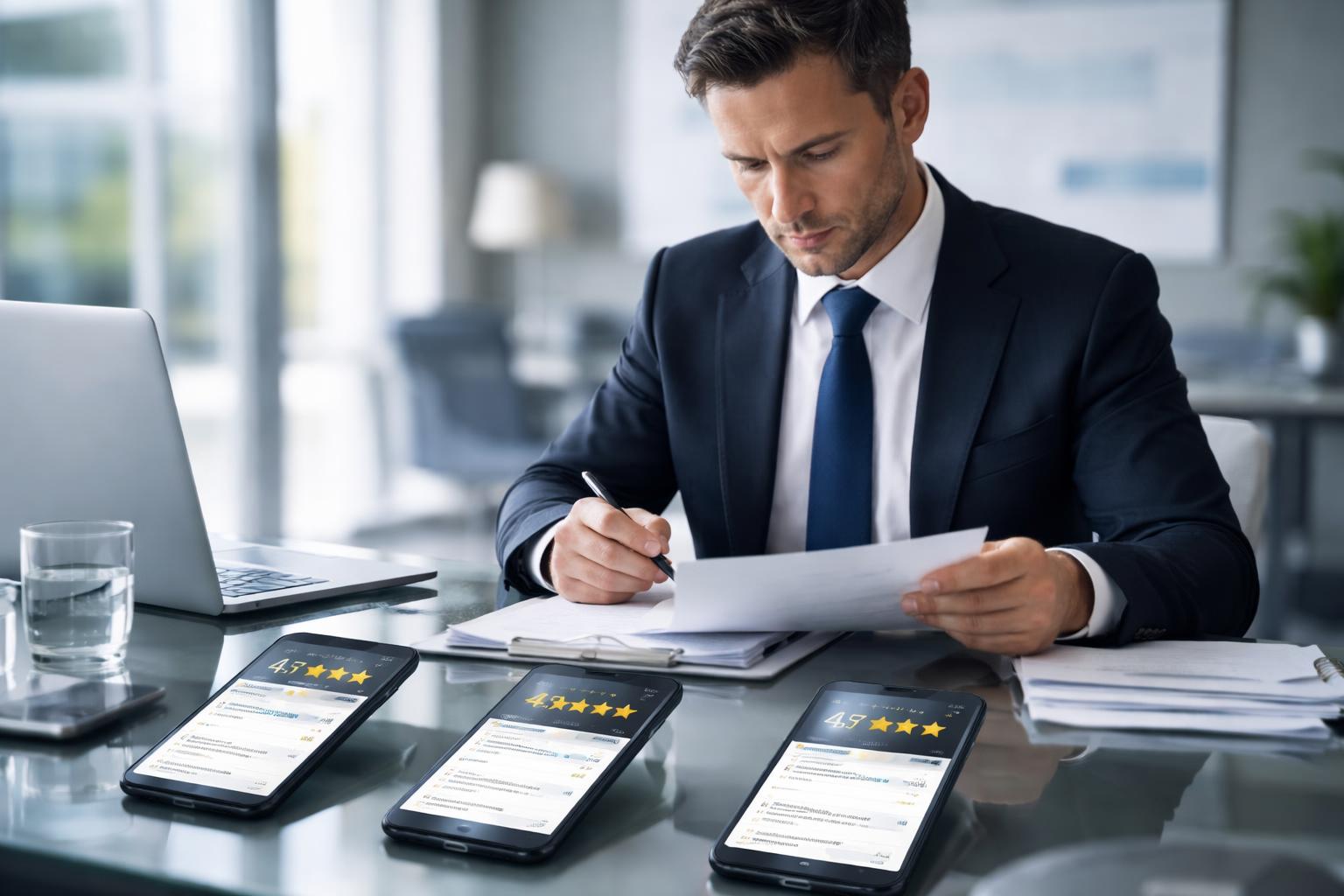
Online reviews provide your first window into an investigator's reliability and professionalism. Start by checking Google Business profiles, Better Business Bureau ratings, and industry-specific review platforms for patterns in client feedback. Look beyond star ratings—read the actual comments to understand how investigators handle communication, deliver results, and resolve problems when they arise.
Direct references carry more weight than anonymous reviews. Ask potential investigators for contact information from three recent clients whose cases resembled yours. When you call these references, ask specific questions: Did the investigator provide regular updates? Were costs clearly explained upfront? Did they deliver actionable results within the promised timeframe? According to the Bureau of Labor Statistics, the private investigation field is growing rapidly, which means you'll encounter both established professionals and newer practitioners.
Professional associations and attorney recommendations offer another verification layer. Investigators who maintain memberships in organizations like the National Association of Legal Investigators typically adhere to stricter ethical standards. Local attorneys who regularly work with investigators can provide candid assessments of who delivers quality work. They've seen firsthand which professionals gather admissible evidence and maintain proper documentation.
Red flags deserve your attention too. Be wary of investigators who refuse to provide references, have numerous complaints about hidden fees, or promise guaranteed outcomes. When you learn how to choose the right private investigator, reputation assessment becomes your safeguard against unreliable practitioners. Legitimate professionals welcome scrutiny of their track record because it demonstrates their commitment to quality service and ethical practices.
Understanding Fee Structures and Service Agreements
Professional investigation firms typically charge using one of three pricing models, and understanding these options helps you budget appropriately. Hourly rates remain the most common structure, ranging from $75 to $200 per hour depending on the investigator's experience and your location. Retainer agreements require an upfront deposit—usually covering 10-20 hours of work—with additional charges billed against this balance as the case progresses.
Flat-fee arrangements work well for specific services like background checks or asset searches, where the scope is clearly defined. You'll pay a predetermined amount regardless of time spent, which provides cost certainty but may not suit complex investigations. Some firms also charge for expenses separately, including mileage, database access fees, and surveillance equipment, so clarify what's included in the quoted rate.
Your service agreement should detail exactly what you're paying for and what deliverables you'll receive. Request a written contract that specifies the billing method, payment schedule, reporting frequency, and estimated timeline. According to industry experts, reputable investigators provide transparent pricing without hidden fees or vague terms.
Watch for red flags like investigators demanding large upfront payments with no refund policy or refusing to provide itemized invoices. Professional firms understand that trust matters, especially when you're learning how to choose the right private investigator for sensitive matters. Ask about cancellation policies and what happens if the investigation concludes earlier than expected—ethical investigators will credit unused retainer funds back to you rather than keeping money for work not performed.
Technology Capabilities and Modern Investigation Methods
Modern investigative technology has transformed how professionals gather evidence and conduct surveillance. When evaluating potential investigators, you should ask specific questions about their digital capabilities, including whether they use GPS tracking systems, drone surveillance for aerial monitoring, and advanced database access tools. These technologies can significantly impact case efficiency and the quality of evidence collected.
Digital forensics expertise has become essential in contemporary investigations, especially for cases involving cybercrime, data breaches, or electronic evidence recovery. Professional investigators should demonstrate proficiency with computer forensics software, social media intelligence gathering, and mobile device analysis. Ask whether they maintain certifications in digital investigation methods and how they stay current with evolving technology platforms.
The best way to know how to choose the right private investigator in 2026 involves understanding their technological toolkit and methodology. Firms investing in AI-powered analytical tools, advanced surveillance equipment, and secure data management systems typically deliver faster results with higher accuracy. Request details about their equipment inventory, software subscriptions, and technical training programs for staff members.
However, technology alone doesn't guarantee success—you need investigators who balance technical capabilities with traditional fieldwork skills. Ask how they integrate technology with human intelligence gathering and whether they have backup systems when technical methods prove insufficient. Understanding cost factors related to advanced technology use helps you evaluate whether premium pricing reflects genuine capability advantages or simply inflated overhead expenses.
Frequently Asked Questions
How do you choose the right private investigator for your specific case?
You'll want to start by clearly defining what type of investigation you need, then look for investigators who specialize in that area. Check their licensing credentials, review their track record with similar cases, and evaluate their reputation through client references. Make sure you understand their fee structure and feel comfortable with their communication style before making your decision.
What licensing credentials should you verify when choosing a private investigator?
You should always verify that your investigator holds a valid state license, which you can usually check through your state's licensing board website. Look for additional certifications from professional organizations like the National Association of Legal Investigators or specialized training in areas relevant to your case. Don't hesitate to ask for proof of their credentials and insurance coverage.
How much should you expect to pay for private investigation services in 2026?
Private investigator fees typically range from $75 to $200 per hour in 2026, depending on the complexity of your case and the investigator's experience level. You might also encounter flat fees for specific services or retainer agreements for ongoing work. Always get a detailed written estimate and understand what's included before you commit to hiring anyone.
What questions should you ask when interviewing potential private investigators?
You should ask about their specific experience with cases like yours, their success rate, and what methods they'll use for your investigation. Find out how they'll communicate with you throughout the process and what kind of evidence or reports you can expect. Don't forget to discuss timelines, costs, and whether they have the technology and resources needed for your particular situation.
How can you verify a private investigator's reputation and track record?
You can check online reviews and ratings, but also ask the investigator for references from recent clients with similar cases. Look up their standing with professional associations and check if they have any complaints filed with state licensing boards. A reputable investigator should be willing to provide references and discuss their experience openly.
What red flags should you watch for when choosing a private investigator?
You should be cautious of investigators who guarantee specific results, ask for large upfront payments, or seem unwilling to provide credentials and references. Avoid anyone who suggests illegal methods or seems evasive about their licensing status. If an investigator pressures you to sign a contract immediately or won't explain their methods clearly, keep looking for someone else.
What modern technology capabilities should you look for in a private investigator?
You'll want an investigator who uses current surveillance equipment, digital forensics tools, and database access systems relevant to your case type. They should be able to handle social media investigations, GPS tracking (where legal), and provide digital reports and evidence documentation. Ask about their technology capabilities during your initial consultation to ensure they can handle modern investigation challenges.