
What Techniques Do Surveillance Investigators Use?
Surveillance investigators use a comprehensive blend of physical observation methods, digital monitoring technologies, and electronic tracking systems to gather evidence and intelligence. These techniques include static stakeouts, mobile surveillance, GPS tracking, social media analysis, hidden cameras, drone operations, and digital forensics.
Static Surveillance and Stakeout Operations
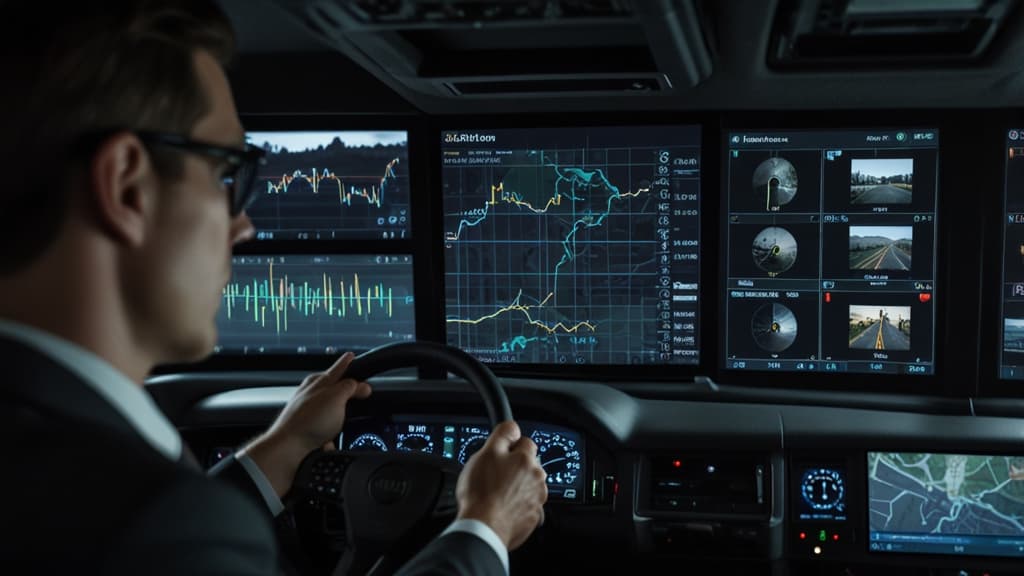
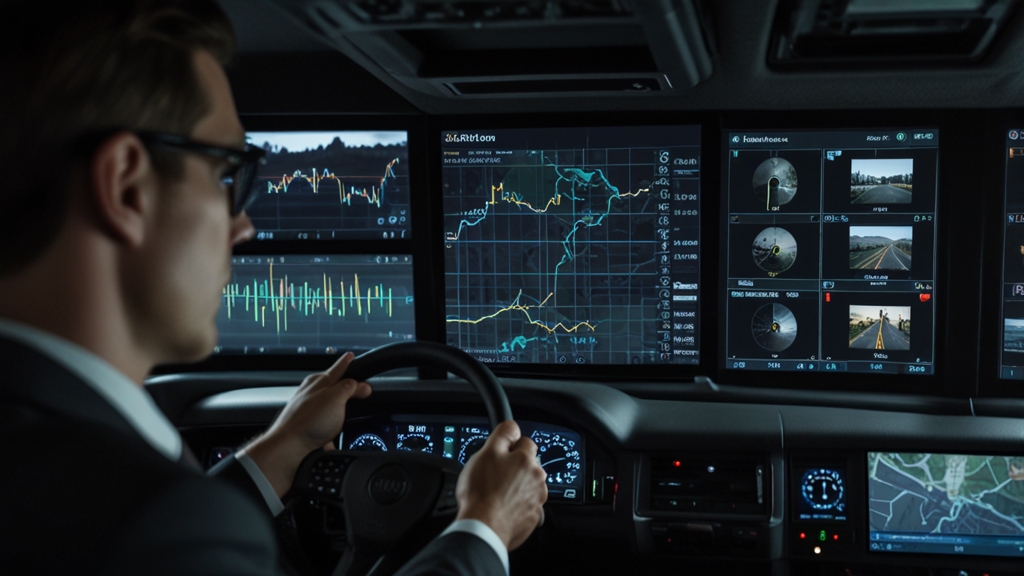
Static surveillance forms the backbone of professional investigation work, requiring investigators to maintain fixed positions for hours or even days while monitoring specific locations. We position ourselves in unmarked vehicles, rented apartments, or concealed outdoor vantage points to observe target properties without detection. The key lies in selecting observation points that provide clear sightlines while remaining completely invisible to subjects.
Successful stakeout operations demand meticulous preparation and specialized equipment. We use telephoto lenses, night vision devices, and high-resolution cameras to document activities from distances exceeding 500 feet. Vehicle selection matters enormously - common models like Honda Civics or Toyota Camrys blend seamlessly into residential neighborhoods, while commercial vans work better for industrial surveillance.
Timing patterns reveal the most valuable intelligence during static operations. Insurance fraud cases often require 4-6 hour morning shifts when subjects typically engage in restricted activities they claim impossible. Corporate investigations focus on after-hours surveillance to document unauthorized access or theft. Modern security trends emphasize combining traditional stakeouts with digital monitoring for comprehensive coverage.
Physical endurance and psychological preparation separate amateur efforts from professional results. We rotate team members every 8 hours to maintain alertness and bring backup power sources, food supplies, and communication equipment for extended operations. Weather contingencies and emergency extraction plans ensure investigators remain safe while gathering critical evidence that often determines case outcomes.

Mobile Surveillance and Subject Tracking Methods
Mobile surveillance transforms static observation into dynamic intelligence gathering through coordinated movement tracking. We employ multiple vehicles working in rotation to avoid detection, with lead and backup units switching positions every few blocks. This "leap-frog" technique prevents subjects from recognizing patterns while maintaining continuous visual contact.
GPS tracking devices provide real-time location data when physical surveillance becomes challenging. We discretely attach these compact units to target vehicles, allowing remote monitoring of movement patterns over extended periods. Modern GPS trackers offer weeks of battery life and precise location accuracy within three feet.
Foot surveillance requires exceptional skill in urban environments where subjects frequently change direction or enter buildings. Professional investigators use "boxing" techniques - positioning team members at strategic points around a subject's likely path. This creates multiple observation angles and backup coverage if the primary surveillance is compromised.
Digital tracking complements physical methods through social media monitoring and cell phone location data. We analyze check-ins, geotagged photos, and public posts to predict movement patterns and identify frequently visited locations. Advanced surveillance combines these digital footprints with real-world observation to create comprehensive subject profiles. The key is maintaining distance while gathering actionable intelligence - typically staying 100-200 feet behind in vehicles and 50-75 feet during pedestrian tracking.

GPS Tracking Device Deployment and Monitoring
We deploy GPS tracking devices strategically to monitor subject movements without detection. Modern devices are compact, weatherproof, and offer real-time location data through cellular networks. The key is choosing the right device for each situation - magnetic units for vehicle undercarriages, hardwired options for permanent installations, and battery-powered trackers for personal belongings.
Vehicle deployment requires accessing the target safely and discreetly. We typically attach magnetic trackers to metal surfaces under the vehicle, avoiding exhaust pipes and moving parts that could dislodge the device. Popular locations include the rear bumper area, spare tire wells, and inside wheel wells where road debris won't interfere with GPS signals.
Monitoring involves more than watching dots on a map. We analyze movement patterns, identify frequently visited locations, and correlate GPS data with other surveillance methods. For example, if a subject claims to be at work but GPS shows they're at a competitor's office, that's actionable intelligence for our client.
Legal compliance varies significantly by jurisdiction and case type. We ensure proper authorization before deployment, especially in domestic cases where consent laws apply. Battery life management is crucial - most devices last 2-4 weeks depending on reporting frequency. We schedule regular maintenance checks and have backup units ready for seamless transitions. The best GPS surveillance combines multiple tracking points with traditional observation methods, creating a comprehensive picture of subject behavior that standalone techniques can't achieve.

Social Media Intelligence and Digital Footprint Analysis
Social media intelligence has revolutionized how we gather information about subjects without ever leaving our desks. Every post, check-in, and photo creates a detailed timeline of someone's activities, relationships, and behavioral patterns. We analyze Facebook posts for location data, Instagram stories for real-time movements, and LinkedIn connections to map professional networks.
Digital footprint analysis extends far beyond social platforms. Public records databases, property ownership files, and business registrations create comprehensive subject profiles. We cross-reference email addresses, phone numbers, and usernames across multiple platforms to uncover hidden accounts and aliases that subjects believe remain private.
Modern investigative tools automatically scan thousands of data points simultaneously. Reverse image searches reveal when photos appear across different profiles, while metadata analysis extracts location coordinates from seemingly innocent images. Dating apps, gaming platforms, and professional forums often contain information subjects forgot they shared publicly.
The most valuable intelligence comes from analyzing patterns over time rather than individual posts. We track posting schedules to predict when subjects are home or traveling, examine friend networks to identify key relationships, and monitor activity changes that might indicate altered behavior. This digital archaeology often reveals more about a subject's true lifestyle than weeks of physical surveillance, making it an essential first step in any modern investigation.
Hidden Camera Systems and Video Documentation
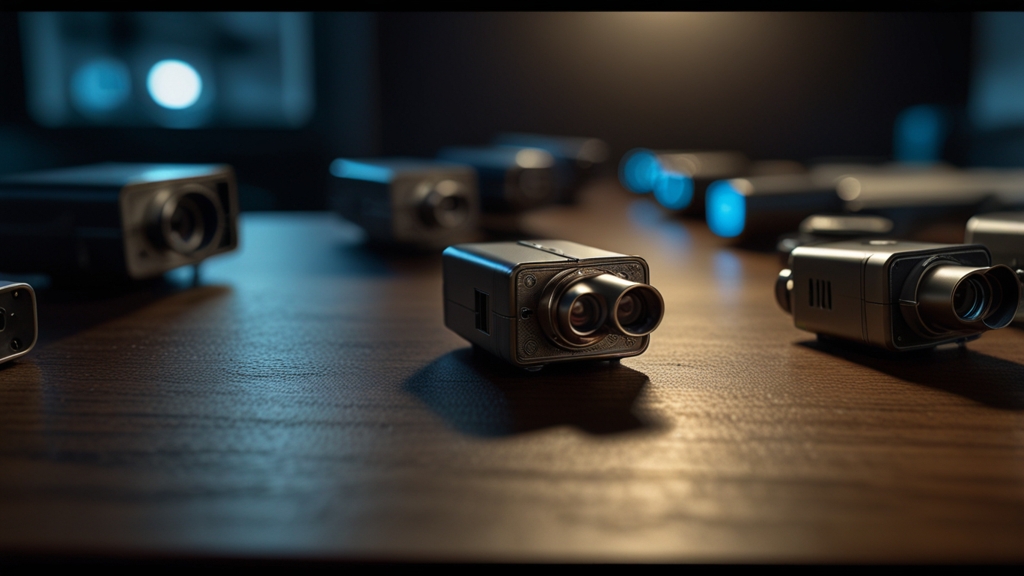
We deploy hidden camera systems as one of our most effective evidence-gathering tools, capturing authentic behavior when subjects believe they're unobserved. Modern micro cameras disguised as everyday objects - pens, clocks, smoke detectors, or phone chargers - provide high-definition footage without raising suspicion. These devices have become incredibly sophisticated, with some offering 4K resolution and night vision capabilities in packages smaller than a coin.
Strategic placement determines success more than equipment quality. We position cameras to capture key interactions while avoiding detection, often using multiple angles to ensure comprehensive coverage. Battery-powered units work best for temporary deployments, while AC-powered devices handle long-term monitoring situations. Motion activation extends recording time and reduces storage requirements significantly.
Legal compliance governs every deployment decision we make. Recording laws vary dramatically by jurisdiction, with some states requiring two-party consent for audio recording while allowing video surveillance. We always verify local regulations before installation, as illegally obtained footage becomes inadmissible evidence. Government surveillance operates under different legal frameworks than private investigations, making professional guidance essential.
Documentation protocols ensure footage maintains evidentiary value throughout the investigation. We timestamp all recordings, maintain chain of custody logs, and store files on encrypted drives with backup systems. Cloud storage provides additional security but requires careful vendor selection to protect client confidentiality. Proper documentation transforms raw video into courtroom-ready evidence that withstands legal scrutiny.
Drone Surveillance and Aerial Investigation Techniques
Unmanned aerial vehicles have revolutionized surveillance operations by providing investigators with unprecedented access to locations and perspectives previously impossible to achieve. We deploy drones equipped with high-resolution cameras, thermal imaging sensors, and GPS tracking capabilities to monitor subjects from altitudes ranging from 50 to 400 feet, depending on legal restrictions and operational requirements.
Modern surveillance drones excel in rural property investigations, insurance fraud cases, and missing person searches where traditional ground-based observation proves inadequate. For instance, we use thermal imaging drones to detect human activity in dense wooded areas or abandoned buildings during nighttime operations. These devices can maintain surveillance for 20-45 minutes per flight, capturing 4K video footage while remaining virtually undetectable to subjects below.
Flight planning software allows us to program automated surveillance routes, ensuring consistent coverage patterns while maintaining legal compliance with FAA regulations. Professional techniques now incorporate real-time video transmission to ground teams, enabling immediate tactical decisions based on aerial intelligence. We typically position multiple observation points to maintain visual contact when drones require battery changes or weather conditions force temporary grounding.
Legal considerations remain paramount in drone surveillance operations. We must obtain proper licensing, respect no-fly zones, and ensure all aerial surveillance complies with privacy laws and local ordinances. Documentation includes flight logs, weather conditions, and chain of custody protocols for any evidence gathered during aerial operations.
Audio Surveillance and Communication Interception
Audio surveillance captures conversations and communications that visual methods miss entirely. We deploy directional microphones capable of isolating specific conversations from distances up to 300 feet, even in crowded environments. Parabolic microphones work exceptionally well for outdoor surveillance, while laser microphones can detect vibrations on windows to intercept indoor conversations.
Communication interception requires strict legal authorization in most jurisdictions. Court-approved wiretaps allow us to monitor phone calls, text messages, and digital communications through carrier cooperation. Modern encrypted messaging apps like Signal pose challenges, but metadata analysis still reveals communication patterns, timing, and contact networks even when content remains protected.
Digital voice recorders disguised as everyday objects provide covert audio documentation. We've successfully used devices hidden in pens, USB drives, and even clothing buttons to capture admissions and conversations. Battery life typically ranges 8-20 hours depending on recording quality, with some models offering voice activation to conserve power during silent periods.
Radio frequency monitoring intercepts two-way radio communications, walkie-talkies, and baby monitors that subjects assume are private. Many criminal organizations still rely on analog radio systems that remain vulnerable to interception. We combine this with spectrum analyzers to identify active frequencies in target areas, then use programmable scanners to monitor relevant channels continuously throughout investigations.
Undercover Operations and Identity Infiltration
Undercover operations represent the most complex and high-risk surveillance technique we employ. These assignments require investigators to assume false identities and integrate into target environments for extended periods. We typically deploy undercover operatives in workplace investigations, insurance fraud cases, and complex criminal matters where traditional surveillance methods prove insufficient.
Identity construction demands meticulous attention to detail. We develop comprehensive backstories, complete with verifiable employment history, social connections, and lifestyle patterns that align with the target environment. For a workplace harassment investigation, we might place an operative as a temporary employee with fabricated references and work experience that withstand scrutiny.
Digital identity creation has become equally critical in 2026. We establish authentic-looking social media profiles, email accounts, and online presence that support our cover identity months before deployment. These digital footprints must appear genuine to anyone conducting background research, including realistic posting patterns and believable personal connections.
Successful infiltration requires exceptional acting skills and psychological resilience. Our operatives must maintain their cover while gathering intelligence, often forming genuine relationships with subjects under investigation. We've seen cases where undercover investigators spent six months building trust within suspected fraud rings, documenting illegal activities while appearing to participate enthusiastically. The emotional toll is significant - maintaining false relationships while collecting evidence against people who consider you a friend challenges even experienced investigators.
Digital Forensics and Electronic Evidence Recovery
We extract digital evidence from computers, smartphones, and storage devices using specialized forensic software that creates bit-by-bit copies without altering original data. These forensic images preserve metadata, deleted files, and hidden partitions that standard recovery tools miss. Professional-grade tools like EnCase and Cellebrite can recover text messages deleted months ago or retrieve browsing history from damaged hard drives.
Mobile device forensics requires bypassing security measures to access encrypted data. We use hardware solutions that exploit bootloader vulnerabilities or extract data directly from memory chips. A cheating spouse case might reveal deleted photos and GPS coordinates, while corporate investigations uncover email drafts never sent but still stored in device memory.
Network forensics analyzes digital communication patterns and data transfers across corporate systems. We examine server logs, email headers, and network traffic to trace unauthorized access or data theft. In one embezzlement case, we discovered an employee was accessing financial records at 2 AM and transferring files to personal cloud storage - evidence that would have been impossible to gather through physical surveillance alone.
Cloud storage presents unique challenges since data exists across multiple servers and jurisdictions. We coordinate with service providers to preserve evidence before it's automatically deleted or overwritten. Timing is critical - many cloud services purge deleted files after 30-90 days, making immediate forensic preservation essential for successful evidence recovery.
Legal Compliance and Ethical Surveillance Boundaries
We operate within strict legal frameworks that vary significantly by jurisdiction and investigation type. Federal wiretapping laws require court orders for audio surveillance, while state privacy statutes govern video recording in private spaces. Most jurisdictions prohibit GPS tracking without consent or legal authority, making this technique off-limits for many private investigations.
Ethical boundaries extend beyond legal requirements into professional responsibility. We never conduct surveillance that could endanger subjects or bystanders, regardless of client pressure. Photographing individuals in bedrooms, bathrooms, or other areas with reasonable privacy expectations violates both legal standards and professional ethics, even when technically accessible.
Documentation requirements protect both investigators and clients from legal challenges. We maintain detailed logs of surveillance methods, locations, and timeframes to demonstrate compliance during potential court proceedings. Chain of custody protocols ensure evidence admissibility, while proper licensing verification confirms our authority to conduct specific surveillance activities.
Client education forms a crucial compliance component that many investigators overlook. We clearly explain legal limitations before beginning surveillance, documenting these conversations to prevent scope creep into illegal territory. When clients request prohibited techniques like phone hacking or trespassing, we redirect toward legally compliant alternatives that achieve similar investigative goals without legal exposure.
Frequently Asked Questions
What techniques do surveillance investigators use most frequently in 2026?
We find that modern surveillance investigators primarily use GPS tracking devices, social media intelligence gathering, mobile surveillance methods, and drone technology. Static surveillance and hidden camera systems remain essential tools, while digital forensics has become increasingly important for electronic evidence recovery.
Are GPS tracking devices legal for surveillance investigators to use?
GPS tracking legality depends on local laws and the specific circumstances of each case. We always ensure proper authorization and legal compliance before deploying tracking devices, as unauthorized GPS tracking can violate privacy laws and result in inadmissible evidence.
How do surveillance investigators monitor social media without detection?
We use specialized software tools and create covert profiles to analyze digital footprints and social media activity. Our investigators employ advanced techniques to gather intelligence from public posts, connections, and behavioral patterns while maintaining operational security.
What is the difference between static and mobile surveillance techniques?
Static surveillance involves observing a subject from a fixed position, typically during stakeout operations at homes or businesses. Mobile surveillance requires our investigators to follow subjects while they move, using multiple vehicles and coordination to avoid detection.
Can surveillance investigators use drones for aerial investigation?
Yes, we use drone surveillance for aerial investigation when legally permitted and operationally necessary. Drone technology allows us to monitor large areas, track subjects from above, and capture video evidence that would be impossible with ground-based surveillance alone.
What surveillance techniques do investigators use for undercover operations?
Our undercover operations involve identity infiltration, covert communication methods, and behavioral adaptation to blend into target environments. We use specialized training, false identities, and advanced surveillance equipment to gather intelligence without compromising our investigators' safety.
How do surveillance investigators ensure they stay within legal boundaries?
We maintain strict legal compliance by obtaining proper authorizations, following local privacy laws, and working with legal counsel throughout investigations. Our investigators receive ongoing training on ethical surveillance boundaries and evidence admissibility requirements to ensure all techniques meet legal standards.