
Federal FAA Requirements and Part 107 Certification for Commercial Surveillance
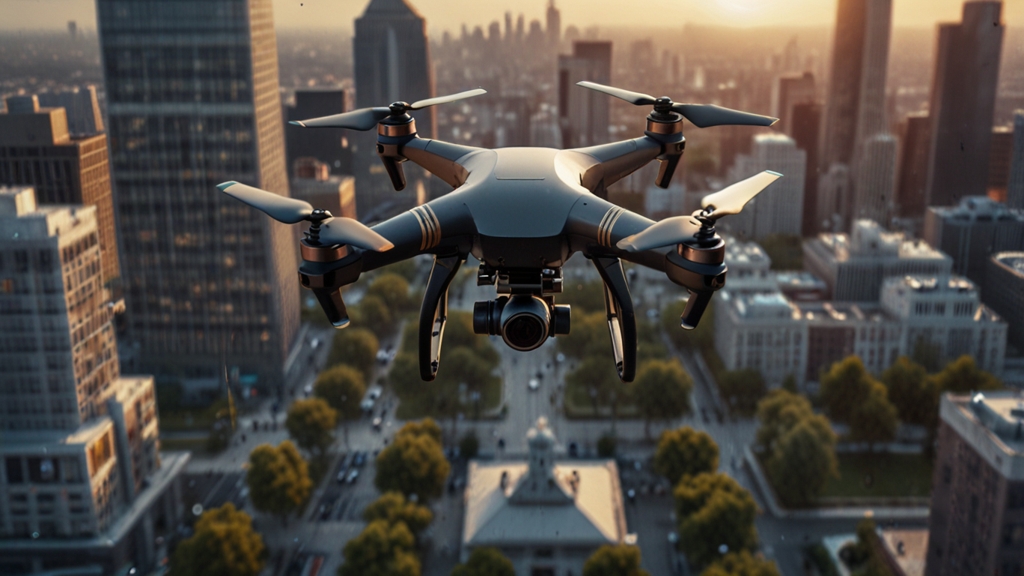
Professional investigators conducting commercial drone surveillance must obtain FAA Part 107 certification before operating unmanned aircraft systems for business purposes. This federal requirement applies to all commercial drone operations, including surveillance work for insurance claims, missing persons cases, and asset recovery investigations. The certification process requires operators to be at least 16 years old, pass an aeronautical knowledge exam, and complete a TSA background screening.
The Part 107 exam covers critical topics including airspace classifications, weather patterns, and federal aviation regulations that directly impact surveillance operations. Test candidates must demonstrate understanding of sectional charts, radio communication procedures, and emergency protocols. Professional investigators typically spend 10-15 hours studying before attempting the 60-question exam, which requires a 70% passing score.
Once certified, commercial operators must follow strict operational guidelines during surveillance missions. Drones cannot exceed 400 feet altitude, must remain within visual line of sight, and cannot operate over people without specific waivers. Night operations require additional lighting equipment and enhanced safety protocols. Many surveillance professionals also carry liability insurance specifically covering drone operations, as standard policies often exclude unmanned aircraft activities.
Certification renewal occurs every 24 months through either retesting or completing approved recurrent training courses. Legal experts emphasize that Part 107 compliance represents just the baseline - investigators must also navigate varying state and local regulations that may impose additional restrictions on surveillance activities in specific jurisdictions.
State Privacy Laws and Property Surveillance Restrictions
State privacy laws create a complex patchwork of regulations that significantly impact how surveillance professionals can legally operate drones for investigative purposes. Eighteen states now require law enforcement to obtain search warrants before conducting drone surveillance, and these same protections often extend to private investigators working on cases.
Property rights present the most challenging aspect for investigators. States like Idaho prohibit surveillance and recording over private property without written consent, allowing property owners to sue violators. Oklahoma makes flying drones under 400 feet over private property for surveillance purposes a misdemeanor offense, creating significant liability for investigators who don't understand local boundaries.
Professional investigators must navigate specific state restrictions that vary dramatically by location. Colorado prohibits drone use for wildlife detection during hunting activities, while Hawaii requires permits for any fishing-related surveillance and bans drones entirely in state parks. Delaware restricts flights over critical infrastructure and events with more than 1,500 attendees, which can impact investigators tracking subjects in urban environments.
The most practical challenge involves the 350-foot property rights debate. Legal experts increasingly suggest that property owners should control airspace up to 350 feet above their land, creating a significant operational constraint for investigators. Current regulations focus more on the technology than the actual surveillance harm, meaning investigators using traditional techniques from manned aircraft might face fewer restrictions than those using drones for identical investigative work.
Law Enforcement Warrant Requirements and Evidence Collection Rules
Law enforcement agencies across 18 states now face strict warrant requirements before deploying drones for surveillance operations. These regulations, enacted in states including Florida, Texas, Illinois, and Virginia, mandate that police obtain judicial approval before conducting aerial searches or collecting evidence through drone technology. The warrant requirement protects Fourth Amendment rights while establishing clear legal boundaries for surveillance techniques in criminal investigations.
Evidence collection protocols vary significantly by jurisdiction, but most states require law enforcement to demonstrate probable cause and specify the scope of drone surveillance in warrant applications. For example, Texas law mandates that collected footage must be relevant to the specific criminal investigation and prohibits fishing expeditions. Some states like New Jersey go further, requiring agencies to dispose of collected information within two weeks unless it becomes evidence in an active case.
Chain of custody procedures for drone-collected evidence follow traditional forensic standards but include additional technical requirements. Officers must document flight logs, GPS coordinates, and camera settings to establish authenticity in court proceedings. Federal guidelines also require law enforcement drone operators to maintain Part 107 certification and coordinate with air traffic control when operating near airports.
Emergency exceptions exist in most warrant-requirement states, allowing immediate drone deployment for imminent threats, search and rescue operations, or active pursuit situations. However, evidence collected during emergency operations faces heightened scrutiny in court, and prosecutors must justify the exigent circumstances that warranted warrantless surveillance. Professional investigators working with law enforcement must understand these evolving legal frameworks to ensure evidence admissibility.
Prohibited Activities and Critical Infrastructure Protection Zones
Drone operators face strict prohibitions when conducting surveillance near critical infrastructure and sensitive locations. Federal and state laws specifically ban drone flights over power plants, water treatment facilities, military installations, and government buildings without proper authorization. These restrictions exist to prevent potential security threats and protect essential services that communities depend on.
Many states have expanded these protections to include emergency response scenes and large public gatherings. Delaware prohibits drone operations over events with more than 1,500 attendees, while other jurisdictions restrict flights during active fire, police, or medical emergency responses. Professional investigators must coordinate with local authorities and obtain special permits when surveillance services require drone operations near these protected zones.
Weapon attachment represents another universally prohibited activity across all jurisdictions. States consistently ban mounting firearms, explosives, or any weaponry on drones, with violations carrying severe criminal penalties. Additionally, many states restrict drone use in hunting and fishing activities - Colorado specifically prohibits using drones to scout wildlife during hunting seasons, while Hawaii requires special permits for fishing-related drone operations.
Airport proximity rules remain among the most stringent restrictions, requiring notification to air traffic control for flights within five miles of any airport. Privacy experts emphasize that these infrastructure protections will likely expand as drone technology advances, making compliance knowledge essential for professional operators conducting legitimate surveillance work in 2026.
Frequently Asked Questions
What are the current drone surveillance laws and regulations that private investigators must follow in 2026?
Private investigators conducting drone surveillance must comply with federal FAA regulations, including Part 107 certification for commercial operations, while also adhering to state-specific privacy laws and local property surveillance restrictions. Professional investigators typically navigate a complex framework where the FAA governs airspace operations, but states control privacy protections and warrant requirements for evidence collection. The regulatory landscape requires investigators to understand both federal aviation rules and varying state laws that can significantly impact surveillance activities.
Do private investigators need special certification to use drones for surveillance work?
Yes, professional investigators must obtain FAA Part 107 Remote Pilot Certification to legally operate drones for commercial surveillance purposes. This certification requires passing a written exam covering airspace regulations, weather patterns, and operational safety procedures. Industry professionals have found that maintaining current certification and understanding local flight restrictions are essential for conducting lawful surveillance operations.
Can private investigators use drone footage as evidence in legal proceedings?
Drone footage collected by professional investigators can serve as evidence in legal proceedings, provided it was obtained in compliance with applicable drone surveillance laws and regulations. The admissibility depends on factors such as proper certification, adherence to privacy laws, and whether the surveillance was conducted in public airspace or required property owner consent. Clients should expect that experienced investigators will ensure all footage meets legal standards for evidence collection before presenting it in court.
What privacy laws restrict drone surveillance by private investigators?
State privacy laws significantly impact how professional investigators can conduct drone surveillance, with many states prohibiting surveillance of private property without consent or requiring specific circumstances for lawful observation. These regulations vary widely by jurisdiction, with some states implementing strict restrictions on recording individuals in areas where they have a reasonable expectation of privacy. Experts in this field recommend consulting local privacy statutes before conducting any drone surveillance operations.
Are there areas where private investigators cannot fly drones for surveillance?
Professional investigators face numerous flight restrictions, including prohibited zones around airports, military installations, critical infrastructure, and certain government facilities. The FAA maintains strict no-fly zones that can result in serious legal consequences if violated during surveillance operations. Industry professionals must check current airspace restrictions and obtain necessary authorizations before conducting drone surveillance in controlled or restricted areas.
How do warrant requirements affect drone surveillance by private investigators?
While private investigators typically don't need warrants for drone surveillance in public airspace, law enforcement agencies working with investigators may require warrants depending on state laws and the nature of the investigation. Professional investigators understand that evidence collection standards can vary significantly when working with law enforcement versus conducting private surveillance. Clients should expect that experienced investigators will ensure all surveillance activities comply with applicable warrant requirements and evidence collection rules.
What happens if a private investigator violates drone surveillance regulations?
Violations of drone surveillance laws and regulations can result in significant penalties, including FAA fines, criminal charges, and civil liability for privacy violations. Professional investigators who operate outside legal boundaries may face license suspension, substantial monetary penalties, and potential lawsuits from affected parties. The standard practice involves maintaining strict compliance with all applicable regulations to protect both the investigator's license and the client's interests in any legal proceedings.