
Core Components and Technology Architecture
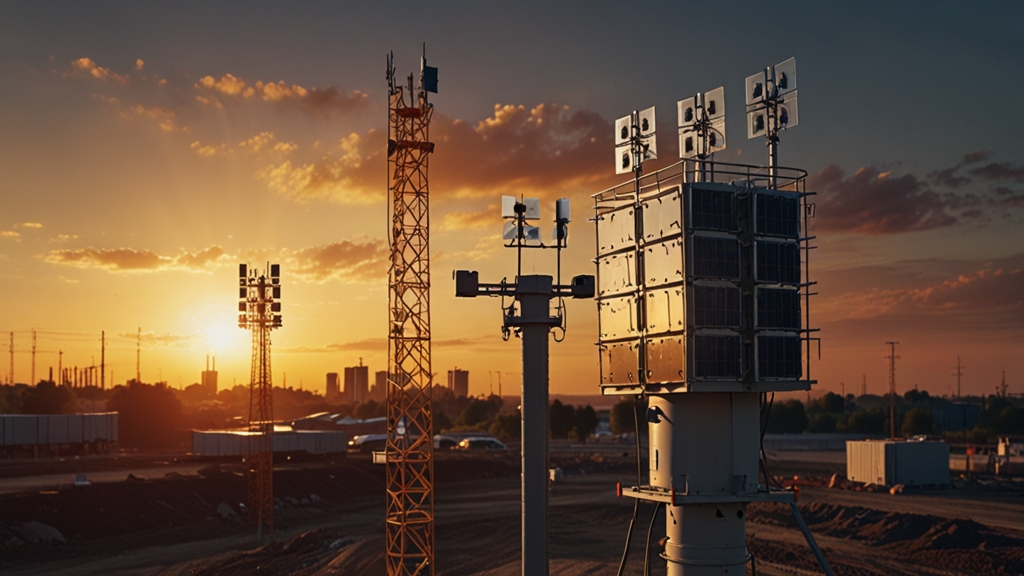
Modern mobile surveillance systems rely on four critical components working in harmony to deliver reliable security coverage. Our installations center around high-definition IP cameras with pan-tilt-zoom capabilities, industrial-grade computing units for data processing, cellular communication modules for remote connectivity, and sustainable power systems typically featuring solar panels with battery backup.
The computing architecture forms the system's brain, utilizing edge processing to analyze footage locally before transmission. We deploy ruggedized industrial computers that handle AI-powered analytics, motion detection, and automated threat recognition without relying on constant cloud connectivity. This local processing ensures your surveillance continues functioning even during network interruptions.
Cellular technology provides the backbone for remote monitoring, with 4G LTE and emerging 5G capabilities enabling real-time video streaming to our monitoring centers. Our systems integrate multiple SIM cards for redundant connectivity, automatically switching between carriers to maintain uninterrupted communication. The wireless architecture eliminates the need for hardwired internet connections, making deployment possible in remote locations where traditional security systems fail.
Power management represents the most critical design consideration in mobile surveillance. Solar panel arrays charge lithium battery banks that provide 5-7 days of autonomous operation during cloudy conditions. Our surveillance equipment includes smart power controllers that prioritize essential functions during low-battery situations, ensuring cameras continue recording even when transmission capabilities are temporarily reduced to conserve energy.
AI-Powered Analytics and Real-Time Threat Detection
Our surveillance systems leverage advanced analytics to identify threats before they escalate into serious incidents. These intelligent systems analyze video feeds in real-time, detecting unusual movement patterns, unauthorized access attempts, and suspicious behavior that human operators might miss during extended monitoring periods.
Pattern recognition technology forms the backbone of our threat detection capabilities. The system learns normal activity patterns for each location, then flags deviations that warrant immediate attention. For example, our analytics can distinguish between a delivery truck making a scheduled stop versus an unknown vehicle lingering in a restricted area after hours.
Facial recognition and object detection enhance security effectiveness significantly. Our cameras can identify known individuals on watchlists, detect weapons or dangerous objects, and even recognize license plates for automated access control. Industry experts report that these capabilities reduce false alarms by up to 80% compared to traditional motion-based systems.
Real-time alerts ensure rapid response when genuine threats emerge. Our systems send instant notifications to security personnel and clients through multiple channels - mobile apps, email, and SMS. We've integrated these alerts with our investigation services to provide comprehensive security solutions. The system can even trigger automatic responses like activating additional lighting or locking down specific areas. This immediate response capability often prevents minor security breaches from becoming major incidents, protecting both property and personnel through proactive surveillance techniques.

Industry Applications and Deployment Strategies
We deploy mobile surveillance systems across diverse industries where traditional fixed cameras simply can't meet operational demands. Construction sites represent our largest deployment sector, where equipment theft costs companies billions annually. Our surveillance equipment moves seamlessly between project phases, protecting valuable machinery and materials during vulnerable overnight and weekend periods.
Law enforcement agencies rely on our rapid deployment capabilities for special events, crime hotspots, and emergency response situations. We've positioned systems at music festivals, political rallies, and sporting events where temporary security infrastructure becomes critical. The ability to establish comprehensive monitoring within hours, rather than weeks, proves invaluable during crisis situations.
Industrial facilities, particularly oil and gas operations, utilize our systems for perimeter security in remote locations lacking power infrastructure. Our solar-powered units operate independently for months, transmitting real-time alerts when unauthorized personnel approach sensitive areas. Recent studies highlight growing security concerns across multiple sectors, driving increased adoption of mobile solutions.
Our deployment strategy prioritizes rapid response and scalability. We maintain pre-configured units ready for immediate dispatch, reducing setup time to under two hours. Strategic positioning considers cellular coverage, power requirements, and sight lines while ensuring systems remain inconspicuous yet effective. For clients requiring ongoing protection, we rotate units between locations, creating unpredictable surveillance patterns that deter criminal activity. This flexibility allows us to provide comprehensive security coverage without the permanent infrastructure costs associated with traditional surveillance services.
Privacy Considerations and Cybersecurity Challenges
Privacy protection and cybersecurity represent our most critical challenges when deploying mobile surveillance systems. We've seen data breaches increase by 147% in the past year alone, making robust security protocols non-negotiable for any professional operation. Our mobile units collect sensitive footage that could compromise investigations if intercepted by unauthorized parties.
We implement multi-layered encryption for all data transmission, using AES-256 encryption standards that meet federal requirements. However, cellular networks remain vulnerable to IMSI-catchers and other interception devices. Our team addresses this by deploying VPN tunneling and rotating SIM cards regularly to prevent tracking patterns that could expose surveillance operations.
Cloud storage presents another significant risk vector. We've witnessed cases where compromised cloud accounts exposed entire surveillance databases, jeopardizing ongoing investigations and client confidentiality. Our solution involves hybrid storage systems that keep critical footage on encrypted local drives while backing up sanitized data to secure cloud platforms.
Physical security of mobile units requires constant vigilance. These systems are high-value targets for theft and tampering. We install tamper-evident seals, GPS tracking, and remote wipe capabilities on all equipment. Additionally, we've learned that advanced systems require regular firmware updates to patch security vulnerabilities, but these updates must be tested thoroughly to prevent operational disruptions during active surveillance missions.
Frequently Asked Questions
What exactly is mobile surveillance and how does it differ from traditional security systems?
Mobile surveillance explained simply: it's a portable security solution that we can deploy anywhere without needing existing infrastructure. Unlike traditional fixed systems that require hardwired connections and permanent installation, our mobile units combine wireless cameras, cellular connectivity, and independent power sources in self-contained packages. We can set these up in remote locations, temporary sites, or anywhere our clients need flexible monitoring capabilities that can move as their security needs change.
How do private investigators use mobile surveillance systems in 2026?
We deploy mobile surveillance systems for everything from insurance fraud investigations to corporate security assessments and domestic cases. The beauty of these systems is that we can position them discreetly in vehicles, temporary locations, or hard-to-reach areas where traditional surveillance would be impossible. Our mobile units allow us to gather evidence remotely while maintaining the flexibility to relocate as investigations evolve, giving our clients comprehensive coverage without the limitations of fixed camera systems.
What AI-powered features should I expect from modern mobile surveillance systems?
In 2026, we're using mobile surveillance systems with sophisticated AI analytics that can detect unusual behavior patterns, recognize faces, and identify specific objects or activities in real-time. These systems automatically flag potential security threats and can distinguish between normal activity and genuine concerns, reducing false alarms significantly. We can also set up custom alerts for specific scenarios our clients need monitored, whether that's unauthorized vehicle access, after-hours activity, or particular individuals entering a location.
How long can mobile surveillance systems operate independently?
Our mobile surveillance units typically run for 2-4 weeks on a single battery charge, depending on recording frequency and environmental conditions. We use solar panels and extended battery packs to extend operation time for long-term investigations or remote deployments. For critical cases, we can set up systems that operate continuously for months by combining multiple power sources and scheduling regular maintenance visits to ensure uninterrupted coverage.
Are mobile surveillance systems secure from hacking and privacy breaches?
We take cybersecurity seriously in our mobile surveillance deployments, using encrypted data transmission, secure cloud storage, and multi-factor authentication to protect all footage and communications. Our systems are designed with privacy compliance in mind, including automatic data retention policies and secure access controls. However, we always discuss privacy considerations with our clients upfront and ensure all surveillance activities comply with local laws and regulations before deployment.
What industries benefit most from mobile surveillance solutions?
We've deployed mobile surveillance across construction sites, retail locations, agricultural properties, event venues, and industrial facilities where temporary or flexible security is essential. Private investigators like us also use these systems extensively for insurance investigations, legal cases, and corporate security assessments. The versatility of mobile surveillance makes it valuable anywhere our clients need security coverage that can adapt to changing conditions or temporary situations.
How quickly can mobile surveillance systems be deployed and operational?
We can typically have a mobile surveillance system deployed and operational within 24-48 hours of client approval, depending on location accessibility and specific requirements. The setup process is straightforward since these systems don't require infrastructure modifications or complex installations. For urgent investigations or emergency security needs, we've deployed systems the same day, giving our clients immediate monitoring capabilities when time is critical.